November Gardening Jobs: What to Plant, Grow, and Tidy This Month

Written by Brian Burke, Woodies' resident gardening expert, RTÉ Super Garden judge, and award-winning garden designer.
November marks the transition from autumn into winter, bringing shorter days, colder temperatures and plenty of wet and windy weather to gardens across Ireland. While many plants are slowing down for the season, there's still plenty to do to keep your garden looking its best and prepare for the months ahead.
From planting the last spring-flowering bulbs to protecting delicate plants from frost, November is an important month for garden maintenance. It's also a great time to plant bare-root trees and shrubs, tidy up fallen leaves and give your lawn some attention before winter sets in.
The key is to make the most of dry days and avoid working on soil when it's waterlogged or frozen.
Whether you're wondering what to plant in November in Ireland or looking for ways to protect your garden from winter weather, here are the essential November gardening jobs to tackle this month.
Garden Maintenance and Cleaning in November
As the last autumn leaves fall and winter approaches, November is an ideal time to tidy up your garden and protect it from the colder weather.
A little maintenance now can help prevent problems over winter and make gardening easier when spring arrives.
 A piles of Autumn leaves rests in the grass next to a wheelbarrow and rake in a residential backyard.
Essential November Garden Jobs Checklist
- Clear Fallen Leaves: Remove fallen leaves from lawns, patios and pathways to prevent slippery surfaces and keep grass healthy.
- Plant Spring-Flowering Bulbs: Get your remaining spring bulbs into the ground, particularly tulips, which are ideal for planting in November.
- Protect Tender Plants: Move vulnerable potted plants into sheltered areas and use garden fleece to protect plants when frost is forecast.
- Mulch Beds and Borders: Add a layer of compost or bark mulch around plants to protect roots and improve soil conditions.
- Plant Bare-Root Trees and Shrubs: Take advantage of the dormant season to establish new trees, roses and hedging.
- Prepare Your Lawn for Winter: Reduce mowing, clear wet leaves and avoid walking on waterlogged or frosty grass.
- Tidy Your Greenhouse and Tools: Clean pots, sharpen tools and check greenhouses and sheds before winter weather arrives.
- Care for Garden Wildlife: Leave some seed heads and sheltered areas for wildlife and provide clean bird feeders and fresh water.
What to Plant in November in Ireland
Although temperatures are dropping, November can still be a productive planting month.
Many hardy plants can be planted while the soil is workable, giving them time to establish before the growing season begins again.
 bulb planting, tulips
Plant Spring-Flowering Bulbs
If you haven't finished planting your spring-flowering bulbs, November is a good opportunity to get the job done.
Tulips are particularly well suited to November planting, as the cooler soil helps reduce the risk of certain fungal diseases that can affect bulbs during mild, wet autumn conditions.
Other spring-flowering bulbs you can plant, if conditions allow, include:
- Tulips
- Daffodils
- Crocuses
- Alliums
- Hyacinths
- Snowdrops
Choose a position with well-drained soil and follow the planting instructions for each variety. As a general guide, many bulbs should be planted at a depth of around two to three times their own height, with the pointed end facing upwards.
For an attractive spring display, plant bulbs in groups rather than straight rows. You can also plant them in patio containers, making them a great option for smaller gardens, balconies and entrances.
Tip: If your garden has heavy clay soil, consider planting bulbs in containers with good drainage to help prevent them from sitting in wet soil over winter.
Explore Woodie's range of flowering bulbs to get your garden ready for spring.
Plant Bare-Root Trees, Roses and Shrubs
November marks the beginning of the dormant planting season for many deciduous trees and shrubs.
Bare-root plants are supplied without a pot or a large amount of soil around their roots. They are generally planted between November and March, while the plants are dormant.
Consider planting:
- Bare-root roses
- Deciduous trees
- Fruit trees, including apples and pears
- Fruit bushes
- Bare-root hedging plants
Choose a suitable location based on the plant's mature size, sunlight requirements and soil conditions.
Before planting, make sure the roots are moist. Dig a hole wide enough to accommodate the roots without bending them, position the plant at the correct depth and firm the soil gently around it.
Water after planting to settle the soil, but avoid planting when the ground is frozen or waterlogged.
Add Colour with Winter Bedding Plants
Just because the summer flowers have faded doesn't mean your garden has to lose its colour! There are plenty of hardy plants that can brighten up your outdoor space throughout the colder months.
Pansies, violas, winter-flowering heathers, primroses and hardy cyclamen are all lovely choices for adding a splash of colour to pots, window boxes and borders. Try mixing them with evergreen plants or ornamental grasses to create a display that looks good even on the dullest winter days.
If you're planting up containers, why not add a few spring-flowering bulbs underneath your winter bedding? You'll have colour to enjoy now, followed by a fresh display when spring comes around.
Whether you're refreshing a few pots by the front door or giving your garden a seasonal makeover, explore our range of outdoor plants and pots and planters to get started.


November Lawn Care
With the colder weather setting in, your lawn won't need as much attention as it did during the summer. Grass growth naturally slows down at this time of year, so the focus shifts from regular mowing to keeping your lawn healthy through winter.
Keep Fallen Leaves Under Control
One job worth keeping on top of in November is clearing fallen leaves from your lawn. Although they might look lovely scattered across the grass, leaving them to pile up can block sunlight and trap moisture, causing the grass underneath to turn yellow.
A quick tidy with a garden rake or leaf blower will help keep your lawn looking its best, especially after windy weather.
And don't throw those leaves away just yet! Healthy fallen leaves can be collected and left to break down into leaf mould, which makes a brilliant natural soil improver for your garden.
![True Temper Bow Rake Fibreglass Handle]()
![True Temper Steel Leaf Rake Wood Handle]()
![True Temper Darby Light Weight Multipurpose 20 Tooth Rake With Wood Handle]() True Temper Darby Light Weight Multipurpose 20 Tooth Rake With Wood Handle€26.99
- Delivery
- Click & Collect


Give the Lawnmower a Rest
You might still need to give your lawn an occasional cut if the weather stays mild, but there's no need to mow as often as you would during the warmer months.
If you do take the mower out, raise the blades slightly and avoid cutting the grass when it's wet or frosty. It's also best to keep off the lawn when the ground is waterlogged, as walking on saturated soil can cause compaction and damage the grass.
If your lawn is looking a little worse for wear, don't worry about tackling major repairs just yet. Leave these jobs until the weather improves and the ground has had a chance to dry out.
Protect Your Garden from Frost and Winter Weather
November can bring everything from mild, sunny afternoons to heavy rain, strong winds and the first frosty mornings. With Irish weather being so unpredictable, it's worth taking a few precautions to protect your plants before winter really sets in.
Keep Tender Plants Warm
Some plants are more sensitive to the cold than others. Tender fuchsias, pelargoniums and other summer favourites can struggle when temperatures drop below freezing, so it's important to give them a little extra protection.
If they're growing in pots, move them into a sheltered, frost-free spot, such as a greenhouse or bright porch. For plants that need to stay outdoors, horticultural fleece can provide an extra layer of protection when frost is forecast.
Don't forget about your containers either. Plants growing in pots are more exposed to freezing temperatures, so wrapping suitable containers in hessian or insulating material can help protect their roots. Raising pots off the ground with pot feet will also improve drainage and help prevent them from sitting in water.
Tip: Keep an eye on your local weather forecast and cover vulnerable plants before a frosty night. A little preparation now could save you from losing your favourite plants over winter!
Lift and Store Tender Bulbs and Tubers
If you've enjoyed a colourful display of dahlias or tuberous begonias this year, it's time to think about protecting them for next season.
Once the foliage has died back or been damaged by frost, tender tubers may need to be lifted, particularly if your garden is prone to hard frosts or waterlogged soil.
Carefully lift them from the ground, brush away any excess soil and allow them to dry before storing them somewhere cool, frost-free and well ventilated.
Check on them occasionally throughout winter to make sure they're not showing signs of rot.
In milder, well-drained gardens, some tender tubers may survive in the ground with suitable protection. However, if your soil tends to stay very wet over winter, lifting them is often the safer option.
Give Your Beds and Borders Some Protection
Before the really cold weather arrives, give your flower beds and borders a helping hand with a layer of mulch.
Adding well-rotted compost or bark around established shrubs, trees and perennials helps protect the soil, keep weeds under control and improve soil structure as the organic material gradually breaks down.
Spread the mulch around your plants, leaving a small gap around stems and tree trunks to avoid trapping moisture directly against them.
It's a simple job that can make a real difference to your garden over the winter months. Explore our range of compost and bark to give your plants some extra protection.


Pruning and Cutting Back in November
As trees and shrubs begin to lose their leaves, it's much easier to see which areas of the garden could do with a tidy-up.
November is a good time to tackle certain pruning jobs, but remember that not every plant needs cutting back before winter. Knowing what to prune, and what to leave alone, will help keep your garden healthy for next year.
Check Your Roses
Strong winter winds can cause long rose stems to sway, sometimes loosening the roots in the soil. If your roses have grown particularly tall, lightly trimming back the longest stems can help prevent this.
It's also worth checking climbing roses and making sure their stems are securely tied to their supports before the winter weather arrives.
There's no need to give your roses a major prune just yet. Depending on the variety, more substantial pruning can usually wait until later in winter or early spring.


Prune Apple and Pear Trees
Once your apple and pear trees have shed their leaves and become dormant, you can begin winter pruning.
Removing dead, damaged or crossing branches helps maintain the tree's shape and encourages healthy growth when spring arrives.
Make sure you're using clean, sharp tools and take care not to remove too much growth at once.
Remember, not all fruit trees should be pruned at this time of year. Cherry and plum trees are generally better pruned during the growing season, as winter pruning can leave them more vulnerable to disease.
Don't Cut Everything Back
It's tempting to give the whole garden one last big tidy before winter, but some plants are better left alone.
While damaged or diseased foliage should be removed where needed, leaving a few perennial stems, ornamental grasses and seed heads standing can add lovely structure to your garden over winter.
They also provide food and shelter for birds and insects, so a slightly less tidy garden can actually be a good thing!
What Vegetables to Plant and Grow in November
The vegetable patch might be a little quieter now, but there's still plenty to keep keen gardeners busy.
Whether you're harvesting the last of your autumn crops or getting a head start on next year's growing season, there are a few worthwhile jobs to tackle this month.
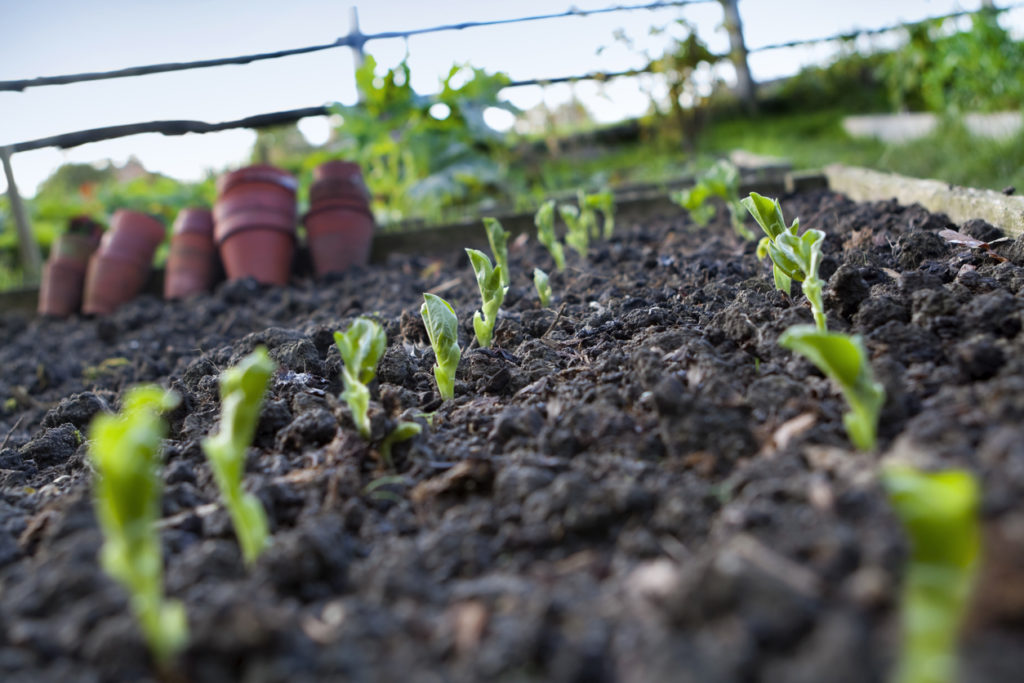 Two neat rows of broad bean shoots coming up in the vegetable garden.
Plant Garlic for Next Year's Harvest
If you enjoy growing your own vegetables, garlic is a great crop to get started with in November.
Garlic benefits from a spell of colder weather, making autumn and early winter a suitable planting time in many Irish gardens.
Choose a sunny spot with well-drained soil and plant individual cloves with their pointed ends facing upwards. Make sure to follow the recommended planting depth and spacing for the variety you've chosen.
If your garden tends to get very wet during winter, a raised bed can be a great option for improving drainage. You can also start garlic in modules under cover if the ground is too waterlogged for planting.
Get a Head Start with Broad Beans
Certain hardy varieties of broad beans can also be sown in November, giving you a head start on the growing season.
If you're lucky enough to have a sheltered garden with well-drained soil, you can sow suitable overwintering varieties directly outdoors.
For gardens that experience particularly wet or cold conditions, starting your seeds in pots inside an unheated greenhouse or cold frame is a safer option.
Keep an eye on young plants during spells of severe weather and provide extra protection where needed.
Make the Most of Your Winter Harvest
If you've been growing vegetables throughout autumn, you may still have some lovely homegrown produce to enjoy.
Leeks, kale, Brussels sprouts and parsnips are among the hardy vegetables that can be ready to harvest at this time of year, depending on what you've planted.
Keep an eye on your cabbages and other brassicas too. Hungry pigeons can cause plenty of damage during winter, so protective netting may be worth using.
Once you've finished harvesting, clear away old crops and weeds before spreading compost or other organic material over unused beds. This will help protect the soil and leave your vegetable patch in good shape for spring.
Greenhouse and Houseplant Care in November
As the days get shorter and temperatures begin to drop, plants growing indoors and in greenhouses will need a slightly different approach to care.
Growth naturally slows down during winter, making this a good time to tidy up your growing spaces and adjust your watering routine.
![Smart Garden Classic 3 Tier Grozone]()
![Adman Multigrow Greenhouse 6ft 4" x 6ft 1"]() Adman Multigrow Greenhouse 6ft 4" x 6ft 1"
- 8 week lead time
- Free Delivery
€1,549.00- Delivery
- Click & Collect
![Walk In Greenhouse 195cm]()

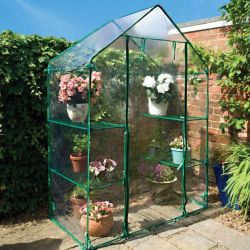
Give Your Greenhouse a Winter Tidy
If your greenhouse has been busy growing tomatoes, peppers and other summer crops, November is a good time to give it a thorough clean.
Start by removing finished plants and any dead leaves or stems. This will help reduce the risk of pests and diseases hanging around over winter.
Give empty pots, seed trays and greenhouse surfaces a clean too, so everything is ready to go when the new growing season begins.
It's also worth checking doors, vents and glazing for any damage before the weather gets colder.
On mild days, open the vents for a little fresh air to help prevent condensation building up. Just remember to close them again before temperatures drop.
Adjust Your Houseplant Routine
Your indoor plants need a little seasonal care too. With less daylight available, many houseplants grow more slowly during November, meaning they won't need as much water or fertiliser.
Instead of sticking to your usual summer watering schedule, check the compost first and only water when your plant needs it.
Try to keep houseplants away from cold draughts and radiators, as sudden changes in temperature can cause stress.
If you have plants with large leaves, give them a gentle wipe with a damp cloth to remove any dust. This helps them make the most of the limited natural light during winter.
Look After Garden Wildlife in November
While your garden might seem quieter at this time of year, there's still plenty of wildlife making use of it.
Birds, insects and other small creatures need food and shelter throughout the colder months, and a few simple changes can make your garden a welcoming place for them.
Leave a Little Space for Wildlife
You don't need to clear every last leaf or cut back every plant before winter.
Leaving some healthy fallen leaves beneath shrubs and keeping a few seed heads standing can provide valuable shelter for insects and other wildlife.
You can still keep your lawn, paths and patios tidy while allowing quieter corners of the garden to stay a little more natural.
It's an easy way to give nature a helping hand, and it means one less gardening job to worry about!
Don't Forget Our Feathered Friends
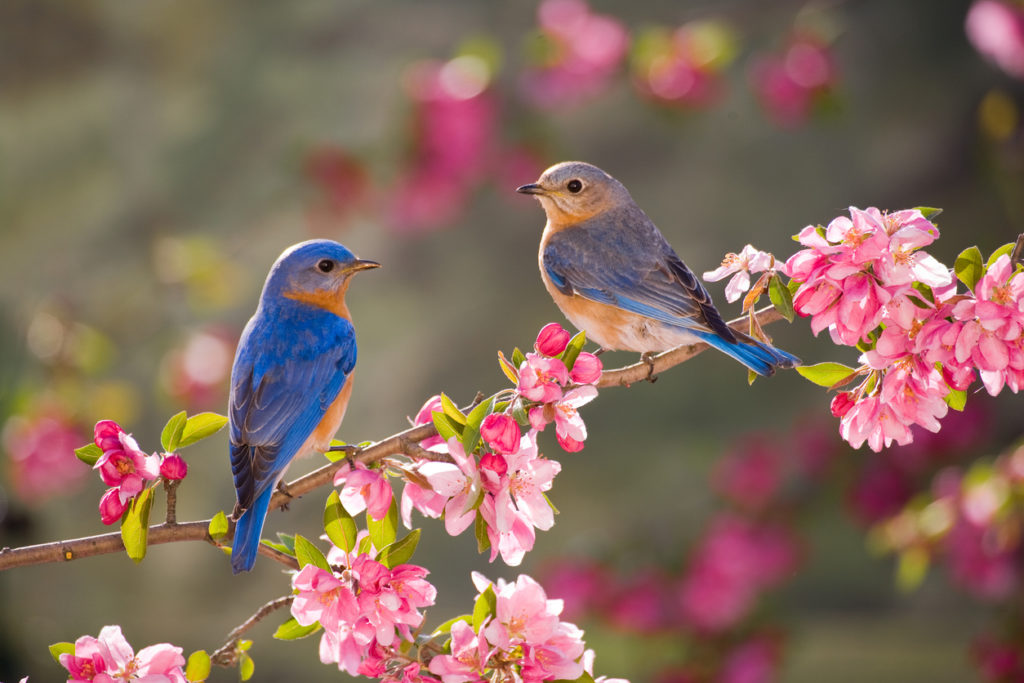
As temperatures drop and natural food becomes harder to find, you can give garden birds a helping hand by putting out a bird feeder or bird table. It's a lovely way to attract birds into your garden and enjoy watching them throughout winter.
Just remember to keep feeders clean and remove any leftover food to help prevent the spread of disease. BirdWatch Ireland recommends cleaning feeders weekly and changing bird bath water daily, so it's also worth putting out a shallow dish of fresh water, especially on frosty mornings when other water sources may freeze.
Explore our range of wild bird food and feeders, or take a look at our guide to attracting wildlife to your garden for more inspiration.
Prepare Your Garden Tools and Outdoor Spaces for Winter
With the busiest gardening months behind us, November is a good opportunity to give your tools and outdoor spaces a little attention before winter.
Start by cleaning soil and debris from your spades, forks and other hand tools. Dry them properly before putting them away, and lightly oil suitable metal surfaces to help prevent rust. It's also worth sharpening your secateurs so they're ready for pruning jobs in the months ahead.
While you're out in the garden, take a few minutes to check fences, trellises and plant supports. Strong winds can easily loosen them, so securing anything that's looking a little unsteady now could save you some work later.
Don't forget about your patio and pathways either. Wet leaves can make outdoor surfaces slippery, so keep them swept clear and tidy away any garden furniture you're unlikely to use over winter.
Once everything is clean, dry and safely stored, you can enjoy knowing your garden is ready for whatever the weather brings.
For more handy advice, read our guide to garden hand tools and storing your gardening equipment.
Get Your Garden Ready for Winter with Woodie's
November might bring shorter days and colder weather, but there's still plenty you can do to keep your garden looking its best.
From planting spring bulbs and protecting your favourite plants to looking after your lawn and helping garden wildlife, these small jobs will make a big difference when spring comes around.
Just remember to make the most of dry, mild days and leave the heavier jobs until the ground is in better condition.
Whether you're planning a colourful spring display or simply giving your garden a winter tidy-up, you'll find everything you need at Woodie's, from bulbs and compost to gardening tools and outdoor plants.
Looking for more inspiration? Take a look at our Winter Gardening Jobs guide, or pop into your local Woodie's garden centre for more seasonal gardening advice.
November Gardening Jobs - FAQs
What are the main gardening jobs to do in November?
November is all about getting your garden ready for winter. Some of the main jobs include clearing fallen leaves, planting spring-flowering bulbs, protecting tender plants from frost, tidying flower beds and preparing your lawn for colder weather.
What can I plant in November in Ireland?
There's still plenty you can plant in November! Tulips, winter bedding plants, garlic, bare-root roses, fruit trees and hardy shrubs are all great options. Just make sure the soil isn't frozen or waterlogged before planting.
Is November too late to plant spring bulbs?
Not at all! November is actually one of the best months to plant tulips, as the cooler soil helps reduce the risk of certain fungal diseases. You can also plant other spring-flowering bulbs if the ground is still workable, although daffodils and some other varieties are best planted earlier in autumn.
Should I cut my grass in November?
You can still give your lawn an occasional cut if the weather is mild and the grass is growing. Just remember to raise the mower blades slightly and avoid mowing when the ground is frosty or very wet, as this can damage your lawn.
How can I protect my plants from frost in November?
Moving delicate potted plants into a greenhouse or sheltered spot is a great place to start. You can also use horticultural fleece to protect vulnerable plants outdoors and add mulch around established plants to help protect their roots during colder weather.
Can I plant garlic in November?
Yes! November is a great time to plant garlic in Ireland, as many varieties benefit from a spell of colder weather. Choose a sunny spot with well-drained soil, or use raised beds if your garden tends to get particularly wet during winter.
Should I remove fallen leaves from my garden?
It's a good idea to clear fallen leaves from your lawn, patios and pathways to prevent slippery surfaces and protect the grass underneath. However, you don't need to remove every leaf! Leaving some beneath shrubs and in quieter corners of the garden can provide valuable shelter for wildlife.
Is November a good time to prune trees and shrubs?
November can be a good time to prune certain trees and shrubs as they enter their dormant period. Apple and pear trees can be pruned once dormant, while long rose stems can be lightly shortened to prevent wind damage. Just remember that different plants have different pruning needs, so always check before cutting back.
What vegetables can I grow in November in Ireland?
Garlic and suitable hardy broad bean varieties can be planted in November, provided growing conditions are right. You may also have winter vegetables such as kale, leeks, parsnips and Brussels sprouts ready to harvest if you've been growing them throughout autumn.
Can I plant flowers in November?
Yes! Hardy winter bedding plants such as pansies, violas and winter-flowering heathers are lovely options for adding colour to your garden. They're ideal for brightening up pots, hanging baskets and flower beds during the colder months.

Brian Burke
Brian Burke is a landscape contractor and award-winning garden designer. He is the resident gardening expert with Woodie’s and a judge on RTÉ’s Super Garden. He attained his B.Sc. Hons. from Trinity College Dublin in 1994 and has over 20 years’ experience in the construction and landscaping business in Ireland, the UK and the US. Brian won Super Garden in 2015 and was awarded a silver-gilt medal for his garden, Non Forsit, at Bord Bia Bloom 2015. He has since gone on to design and build several award-winning show gardens in 2016, 2017, 2018, and 2019, winning silver and gold medals.