April Gardening Jobs: What to Do, Plant, and Prune This Month

April brings warmer temperatures, longer days, and a real sense of momentum in the garden. It’s the perfect time to build on the work you did in March. Whether you're focused on sowing seeds, keeping on top of weeds, or refreshing your flower beds, our guide to April gardening jobs will help you make the most of the month ahead.
April Gardening Jobs Essential Checklist
- Maintain the garden by tidying, weeding, mowing, and cleaning
- Sow vegetables outdoors and start tender crops indoors
- Plant flowers, bulbs, and perennials for summer colour
- Prune shrubs, roses, and lightly maintain trees
- Feed soil, refresh containers, and mulch beds
- Protect plants from slugs, pests, and late frost
- Complete small jobs like thinning, training, and hardening off plants
Garden Maintenance and Cleaning in April
Spring is in full swing, making this the time to focus on upkeep and preparation for the busy months ahead.
- Tidy borders by removing dead leaves and debris to reduce pests and disease
- Weed regularly, as warmer soil encourages rapid growth
- Mow the lawn weekly, keeping blades higher at the start of the season
- Edge flower beds to create clean, defined lines
- Clean patios and paths to remove moss and algae
Take time to check and clean your tools as well. Sharp, well-maintained gardening tools make garden jobs easier and more efficient.
What to Plant in April:
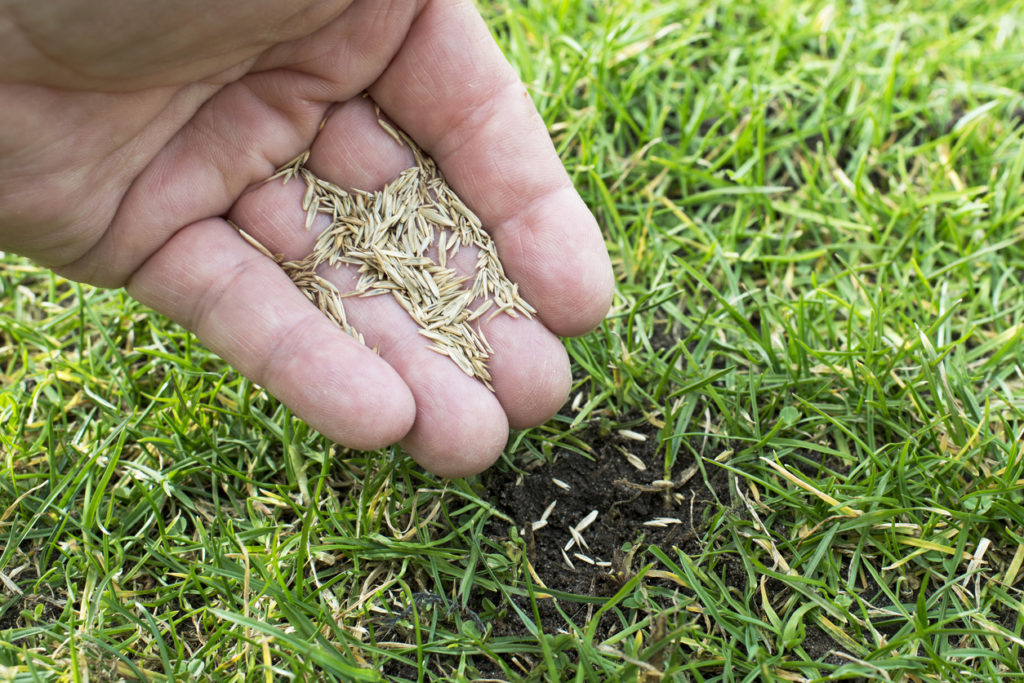
April offers excellent planting conditions, with warming soil and longer daylight hours supporting strong growth.
Vegetables to Plant in April
April is an ideal time to sow a wide range of vegetables, with warming soil and longer days creating excellent growing conditions.
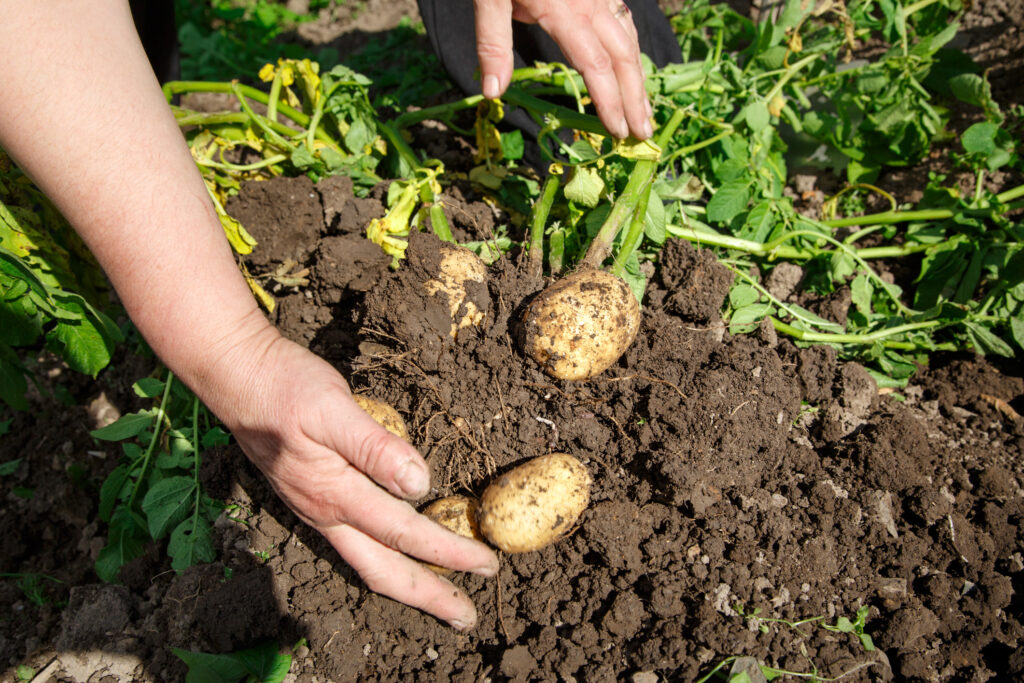
- Plant potatoes: Second early and main crop potatoes can still be planted if you missed March. Choose a sunny, well-drained spot for best results.
- Start tender vegetables indoors: Sow courgettes, pumpkins, squash, and runner beans indoors now to give them a strong start before transplanting outdoors in May.
- Sow salad crops outdoors: Lettuce, radishes, spinach, and peas can be sown directly into the ground. These cool-season crops grow quickly in spring conditions.
- Grow spinach: Sow in rich, moist soil for fast results. Spinach is ideal for succession sowing, with leaves ready to harvest in as little as 4–6 weeks.
- Grow beetroot from seed: Sow directly into well-prepared soil. You can expect baby beetroot in 6–8 weeks, with full-size roots ready in around 10–12 weeks.
- Start tomatoes indoors: Sow seeds in a warm, bright spot or propagator. Once seedlings develop true leaves, pot them on. If space is limited, growing tomatoes in pots is a practical option. Place them in a sunny, sheltered position and provide support as they grow.
These vegetables are reliable, easy to grow, and perfect for getting your garden off to a productive start in April. For more guidance, check out our blog on how to grow vegetables from seeds.
Flowers to Plant in April
April is a great time to start planting flowers, with milder temperatures and improving soil conditions creating the perfect environment for growth. Whether you are new to gardening or have years of experience, there are plenty of options to bring colour into your garden.
- Marigolds, cosmos, and zinnias are reliable hardy annuals that can be started indoors or sown directly outdoors in milder areas. They are easy to grow and provide bright, long-lasting displays.
- Sunflowers are another simple and rewarding choice. Sow seeds directly into well-drained soil in a sunny position, where they will thrive and grow quickly.
- Petunias and lobelia are ideal for containers, window boxes, and hanging baskets. You can start them indoors or choose young plants that are ready to be planted out.
- April is also the right time to plant summer bulbs such as dahlias and begonias, which will produce vibrant colour throughout the summer months.
For longer term planting, add perennials like echinacea, coreopsis, and salvia. These plants return each year and help build structure and consistency in your garden.
To create a more visually appealing space, combine a mix of colours, heights, and textures. Whether you are designing a cottage style garden or planting up a balcony, April offers the perfect opportunity to get started.
Pruning in April: What You Can Still Cut Back
If you missed some March pruning, April gives you a last chance to catch up before plants move into full growth mode:
Pruning Spring Flower Shrubs
- Once shrubs like forsythia, kerria, and flowering currant have finished blooming, prune to maintain shape and encourage next year’s flowers.
- Lavender: Avoid pruning lavender too early, but in late April, once you see new growth at the base, give lavender a light trim to shape the plant and encourage bushy growth. Avoid cutting into old wood, as it may not regenerate.
- Hydrangea (macrophylla/mophead and lacecap): If not already done, you can prune in April by removing old flower heads and cutting back dead or weak stems to a strong pair of buds. Avoid cutting into stems that will flower this year, as most hydrangeas bloom on old wood.
Rose Pruning
There is still time to prune roses in April if this was not done in March. Start by inspecting the plant for frost damage, blackened stems, or crossing branches.
- Remove any dead, diseased, or weak stems completely
- Cut back healthy growth to strong, outward facing buds
- Open up the centre of the plant to improve airflow and shape
This helps reduce the risk of fungal diseases and encourages stronger growth and more abundant blooms later in the season. For more detailed advice, see our guide to planting and caring for roses.
Tree Pruning
While most heavy tree pruning should be done during the dormant winter months, April is a great time for light pruning and tidying:
- Remove dead, damaged, or rubbing branches on ornamental or young trees to improve shape and health.
- Lightly shape young trees to guide balanced, upright growth as they establish.
- Avoid pruning stone fruit trees like cherry, plum, and peach in April, these are best pruned in summer to prevent disease such as silver leaf.
- Always use clean, sharp tools, and make angled cuts just above a bud or side branch.
This type of light gardening maintenance can prevent problems later in the season and keep your trees looking tidy and healthy.
How to Feed and Care for You Garden
Plants begin to grow quickly in April, so feeding them now will support healthy development and strong flowering in the months ahead.
- Apply a general purpose fertiliser to beds and borders
- Refresh pots and containers with fresh compost and slow release feed
- Mulch soil to retain moisture and reduce weed growth
- Check slug and snail protection as young shoots are vulnerable
Watering becomes more important as temperatures rise, especially for newly planted areas. Water early in the day to limit evaporation and help prevent fungal problems.
Extra Gardening Tips for April
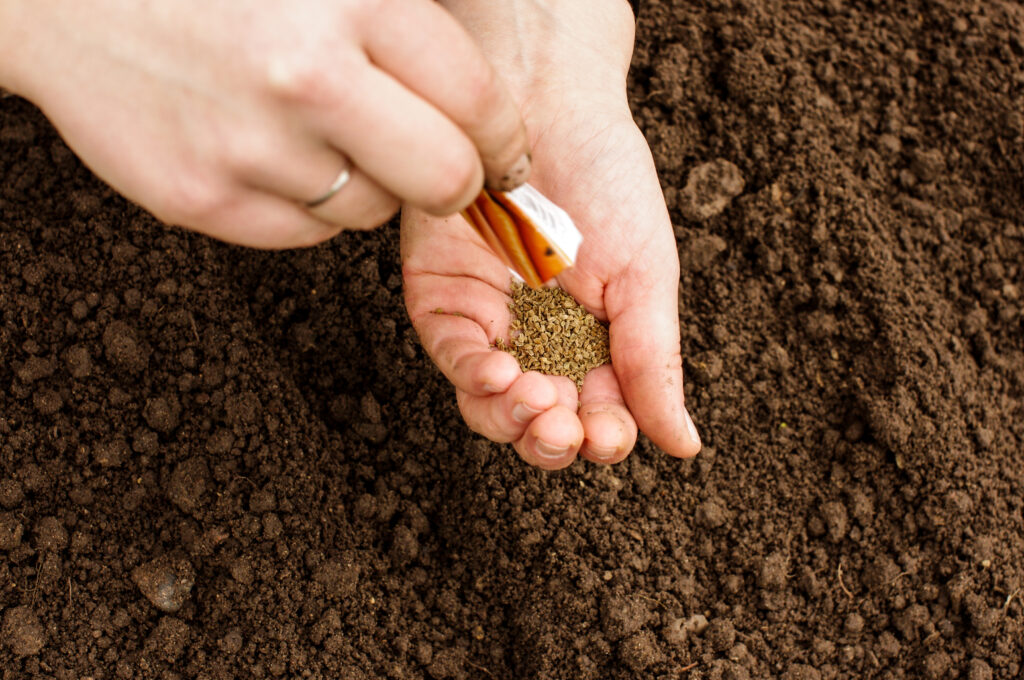
April is a key month for building strong foundations in your garden. Small, consistent tasks now will make a noticeable difference in the months ahead.
- Thin out seedlings to prevent overcrowding and encourage stronger, healthier plants. Giving each seedling enough space improves airflow and reduces the risk of disease.
- Ventilate greenhouses and cold frames on warmer days to prevent overheating. Good airflow helps protect young plants from mould and damping off.
- Keep an eye on night time temperatures and protect tender plants with fleece or cloches if frost is forecast. Sudden cold snaps can still occur in April in Ireland.
- Plant herbs such as basil, parsley, and coriander in pots or raised beds for easy access. Regular harvesting will keep plants productive and encourage fresh growth.
- Install a water butt to collect rainwater. April showers can quickly fill it, providing a sustainable and cost effective water source for the months ahead.
- Divide and replant overcrowded perennials such as hostas, daylilies, and ornamental grasses. This helps rejuvenate older plants and gives you more plants to use around the garden.
- Start training climbing plants like clematis and sweet peas onto supports while they are still easy to manage. Early guidance helps create a neater, more controlled display later on.
- Refresh and top up mulch around shrubs and perennials to retain moisture, suppress weeds, and improve soil structure as temperatures rise.
- Harden off young plants that were started indoors by gradually introducing them to outdoor conditions over a period of seven to ten days. This helps prevent transplant shock.
- Label newly sown seeds and planted areas to keep track of what is growing where, especially if you are succession sowing crops.
Staying consistent with care and small tasks in April will help your garden establish well and continue to thrive into summer.

Prepare Your Garden for a Blooming Season with Woodies DIY
April is a busy but exciting time in the garden. From sowing seeds to feeding hungry plants, each task you tick off brings you closer to a beautiful, thriving outdoor space. Whether you’re starting fresh or building on a strong March foundation, there’s no better time to dig in and get growing. Check out our top May gardening jobs for next month. Need more ideas & advice? Drop into your local Woodie’s garden centre to chat with our horticulturists or check out more tips on Woodie’s Community.
FAQs - Gardening Jobs for April
What is Best to Plant in April?
In April, you can sow vegetables like lettuce, spinach, peas, and beetroot directly outdoors. Start tender crops such as tomatoes, courgettes, and pumpkins indoors. For flowers, plant hardy annuals and summer bulbs like dahlias for colour later in the season.
What Vegetables Grow Best in April?
Fast-growing vegetables such as radishes, spinach, lettuce, and peas perform best in April. These crops thrive in cooler spring conditions and can be harvested within a few weeks, making them ideal for early season growing.
Can I plant Potatoes in April?
Yes, April is a good time to plant second early and main crop potatoes in Ireland. Choose a sunny, well-drained spot and ensure the soil is not too wet or cold for best results.
How Do I Protect Plants from Late Frost in April?
Use garden fleece, cloches, or cold frames to protect tender plants from unexpected frost. In Ireland, late cold snaps can still occur, so it is important to monitor night time temperatures and cover plants when needed.
Is April the Best Month to Grow Tomatoes?
Yes—April is perfect for sowing tomato seeds indoors in Ireland. Use a warm, bright windowsill or propagator. If you're planting young tomato plants, wait until late April or May when frost risk has passed, especially for outdoor growing.
How Do I Stop Slugs Eating My Plants in Spring?
Protect plants by using slug barriers, copper tape, or wildlife-friendly pellets. Encouraging natural predators such as birds and frogs can also help. Check plants regularly and act early to prevent damage.

Brian Burke
Brian Burke is a landscape contractor and award-winning garden designer. He is the resident gardening expert with Woodie’s and a judge on RTÉ’s Super Garden. He attained his B.Sc. Hons. from Trinity College Dublin in 1994 and has over 20 years’ experience in the construction and landscaping business in Ireland, the UK and the US. Brian won Super Garden in 2015 and was awarded a silver-gilt medal for his garden, Non Forsit, at Bord Bia Bloom 2015. He has since gone on to design and build several award-winning show gardens in 2016, 2017, 2018, and 2019, winning silver and gold medals.