June Gardening Jobs: What to Plant, Grow, and Prune This Month

Written by Brian Burke, Woodies' resident gardening expert, RTÉ Super Garden judge, and award-winning garden designer.
June welcomes the garden into full summer swing. Flowers burst into bloom, crops begin to mature, and long days provide the perfect conditions for spending time outdoors. Whether you're nurturing your vegetable patch, planting colour into borders, or simply enjoying the sunshine, there's plenty to keep you busy.
From what to plant in June in Ireland to essential care and pruning jobs, here’s your complete guide to gardening this month, plus expert tips and recommended tools to make it easier.
Garden Maintenance and Cleaning in June
As temperatures climb, the focus shifts to maintenance and care. A well-kept garden now will reward you with growth and colour through summer.
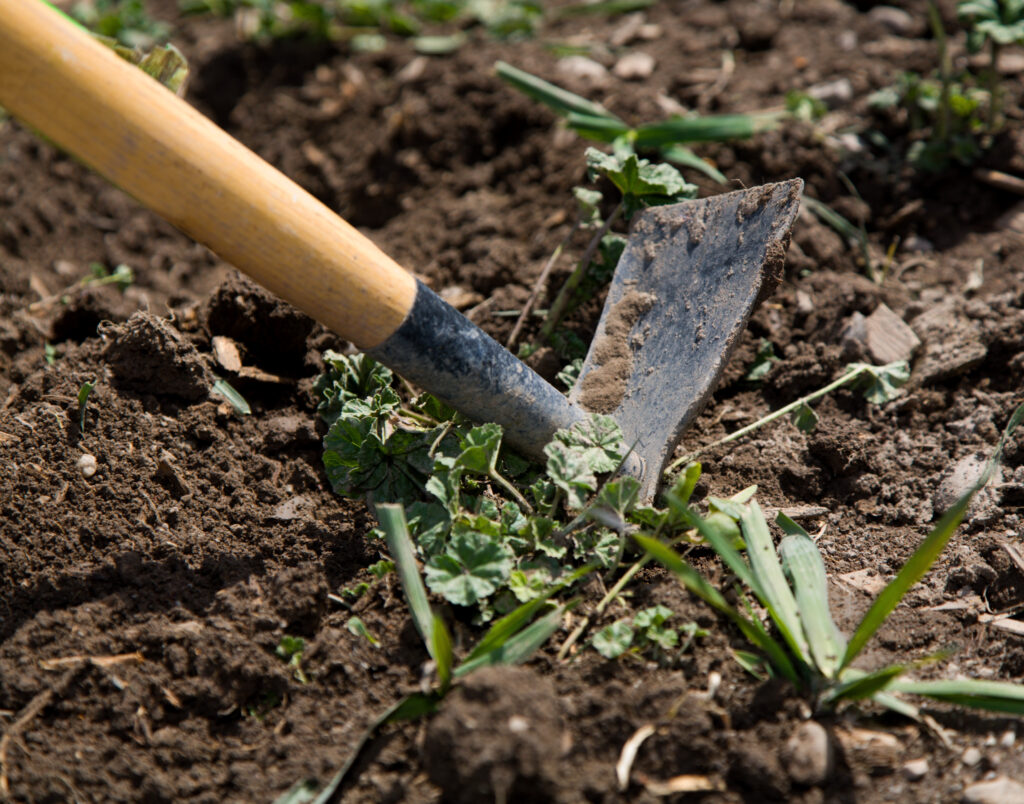
- Stay on top of weeding: Remove fast-growing weeds before they set seed. A hoe or fork makes quick work of loose-rooted varieties.
- Mow and edge the lawn: Grass grows rapidly in June. Use a grass trimmer or brushcutter to keep edges neat.
- Tidy paths and patios: Scrub away moss and debris with help from garden cleaning tools.
- Support your plants: Use netting or mesh to keep birds off crops and support tall or climbing plants.
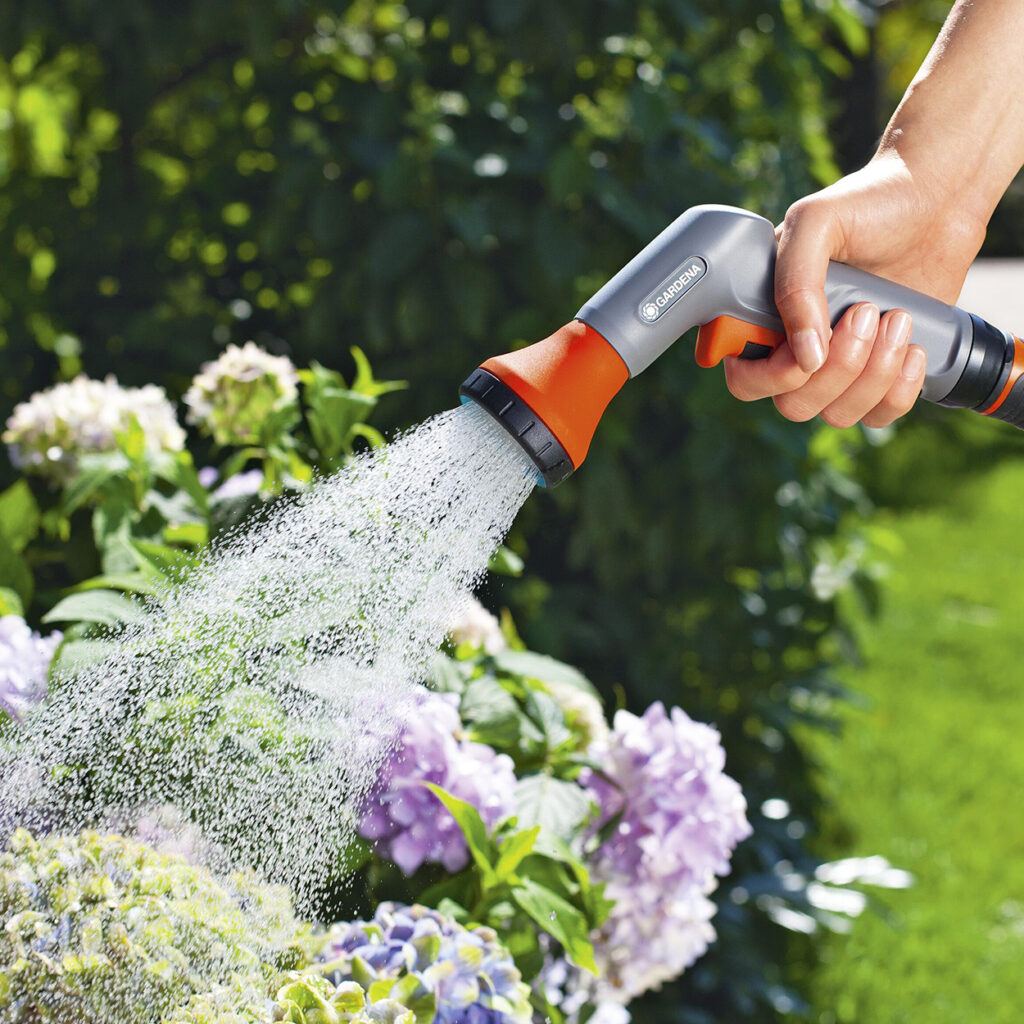
- Water consistently: Prioritise pots, hanging baskets, and anything newly planted. Explore our full range of watering tools and solutions.
- Feed hungry plants: Give your borders and veg beds a boost with general-purpose fertiliser.
- Make sure you have everything to hand by restocking your essential gardening accessories.
June Lawn Care: Mowing, Cutting Heights and Bare Patches
Lawns grow quickly in June, so regular mowing is important, but avoid cutting the grass too short. “Scalping” the lawn can stress the grass, expose the soil, and make it easier for weeds or moss to take hold.
As a general rule, remove no more than one third of the grass height at a time. For most family lawns, a slightly higher cut will help keep the grass greener and more resilient through warm or dry spells. Raise the cutting height during hot weather, and keep mower blades sharp for a cleaner, healthier cut.
June is also a good time to repair bare patches. Rake away any dead grass, loosen the soil surface, scatter lawn seed, cover lightly with compost or top dressing, and water regularly until the new grass establishes. Try to keep people and pets off freshly seeded areas while they settle in.
For further guidance, check out our guide on Achieving the Perfect Cut for Your Lawn.
Starting up your lawnmower for summer?
Before using a lawnmower that has been stored away, clean off old grass, check the blade, inspect cables or batteries, and make sure everything is secure before switching it on. Never work underneath a mower while it is connected to power or has the battery attached.
![LawnMaster MX 24 46cm 48V Cordless Mower with 1 set of batteries]() LawnMaster MX 24 46cm 48V Cordless Mower with 1 set of batteriesAvailable Online Only€499.99
LawnMaster MX 24 46cm 48V Cordless Mower with 1 set of batteriesAvailable Online Only€499.99- Delivery
- Click & Collect
![LawnMaster L10 Robotic Mower with Dock 400m2]()


What to Plant in June: Vegetables, Flowers, Perennials & More
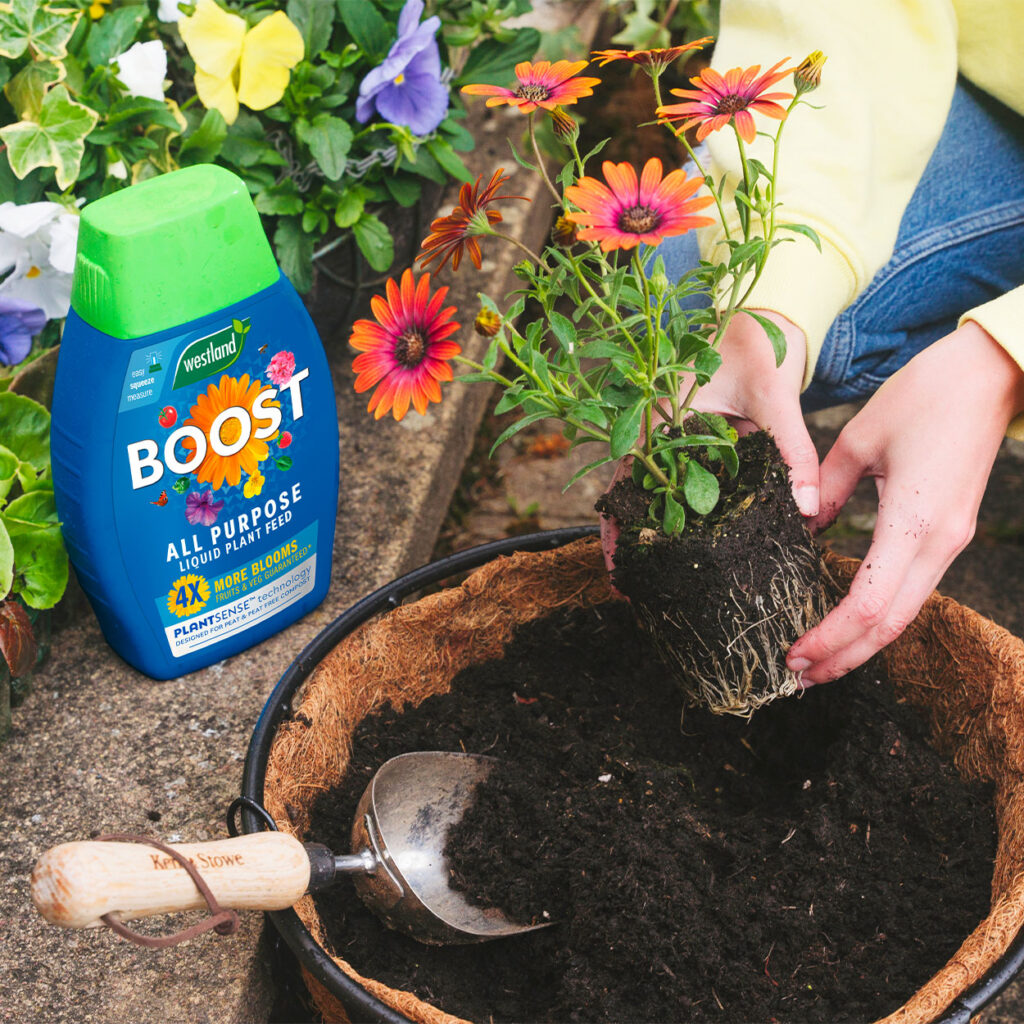
June is one of the best months to garden in Ireland. Soil temperatures have warmed sufficiently for direct sowing, daylight hours are long, and the risk of ground frost has passed in most parts of the country. If you garden in the west or at higher elevations, you may still experience cooler nights, which is worth bearing in mind for tender crops like courgettes and outdoor tomatoes.
For gardeners in Ireland, June also marks the start of the Bord Bia Bloom season, a useful reference point for what's looking good and what's coming next.
What Vegetables to Plant in June
With warm soil and long daylight hours, June is ideal for direct sowing or planting out crops:
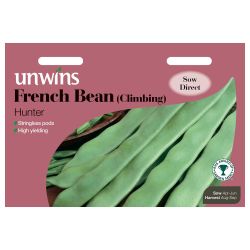
- French and runner beans: Sow seeds directly or transplant from modules.
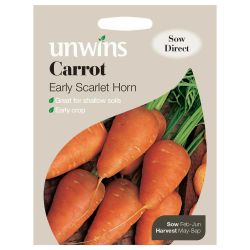
- Beetroot and carrots: Continue sowing in short rows for staggered harvests.
- Courgettes and cucumbers: Plant out hardened seedlings and mulch to retain moisture.
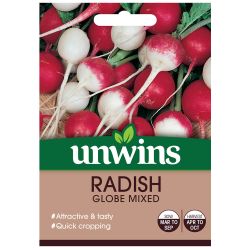
- Lettuce, rocket, and radish: Quick-growing and perfect for successive sowings.
- Sweetcorn: Sow or transplant in blocks to ensure pollination.
- Swiss chard and perpetual spinach: Cut-and-come-again crops that thrive in warm soil.
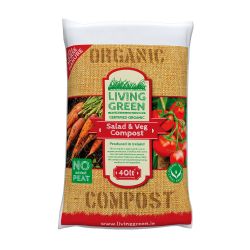
Add a layer of mulch around vegetables to reduce watering needs during hot spells. Explore the full selection of plants, seeds and compost for all your edible growing needs.
What Fruit to Plant in June
While most fruits are already established by June, there's still useful work to do:
- Plant strawberry runners: These will fruit next year and are great in hanging baskets or raised beds.
- Feed raspberries, gooseberries, and blueberries: Use a potassium-rich fertiliser to support developing fruit.
- Stake raspberry canes: Tie in new canes as they grow to prevent wind damage and keep the row manageable.
- Protect crops with netting: Bird-proof your berries and soft fruits before they ripen.
- Thin developing fruit: Thin apples, pears, and gooseberries now for a better crop in late summer.
- Protect crops with netting: Bird-proof your berries and fruits.
Fruit thinning in June: If you have established apple, pear, or gooseberry plants, June is when you should thin developing fruits. Remove the smallest fruitlets, leaving one or two per cluster, to concentrate the plant's energy and improve the size and quality of what remains. It feels counterintuitive, but the harvest will be significantly better for it.
What Flowers and Perennials to Plant in June
There's still time to sow or plant flowers for summer and autumn colour in your garden in Ireland:
- Bedding plants: Geraniums, lobelia, petunias, and begonias bring instant colour and will perform right through to autumn.
- Annuals from seed: Cosmos, sunflowers, zinnias, and nasturtiums can be sown directly into the ground in June.
- Perennials: Echinacea, coreopsis, rudbeckia, salvia, and gaillardia will establish over summer and bloom in late season or return strongly next year.
Extra tip: For height and structure, add tithonia or cleome to the back of borders. Both perform well in gardens across Ireland through summer and add an airy quality that bedding plants alone cannot match.
What Seeds to Plant in June
June is excellent for direct-sowing quick-growing seeds:
- Herbs: Basil, coriander, parsley, and dill
- Salad greens: Mizuna, mustard greens, and rocket
- Root veg: Turnips, baby carrots, and spring onions
Use quality seed trays and propagation supplies for indoor sowings, or sow garden seeds directly into prepared border soil for fast results.
Feeding, Watering and Pest Control in June
Feeding
Crops, flowers, and shrubs are in full growth now and targeted feeding makes a real difference:
- Feed tomatoes and fruiting crops with a tomato or high-potash feed weekly once flowers appear.
- Add plant food and fertiliser to containers, baskets, and planters every two weeks.
- Deadhead regularly to keep bedding plants blooming and remove faded flowers before they set seed.
- Mulch around borders and beds to conserve moisture and suppress weeds.
Watering in June
In June, water deeply two to three times a week rather than little and often. Deep watering encourages roots to grow down rather than staying near the surface. Water early in the morning when possible, as evening watering can leave foliage damp overnight and increase the risk of fungal problems. In Ireland, June can bring dry spells of one to two weeks, so prioritise pots, newly planted areas, and anything in a south-facing spot.
Check for slugs, snails, aphids, and caterpillars. Our pest control range has natural and chemical-free options for managing common June pests.
Pest control
June is when pest pressure increases significantly. Check plants regularly and act early:
- Aphids: Clusters of small insects on new growth and under leaves. Treat with an appropriate insecticide or introduce natural predators such as ladybirds. A strong jet of water knocks them back quickly on established plants.
- Slugs and snails: Most active after rain and at night. Use slug pellets, copper tape around pots, or biological control (nematodes) for a chemical-free approach.
- Caterpillars: Check brassicas (cabbages, kale) for caterpillar damage and eggs on the underside of leaves. Remove by hand or use a suitable biological control.
- Black spot on roses: A fungal disease that spreads quickly in wet conditions. Remove affected leaves and treat with a rose fungicide. Feed plants well, as strong growth is more resistant.
Our pest control range has natural and chemical-free options for managing all common June pests.
Pruning in June: What to Cut Back and Shape
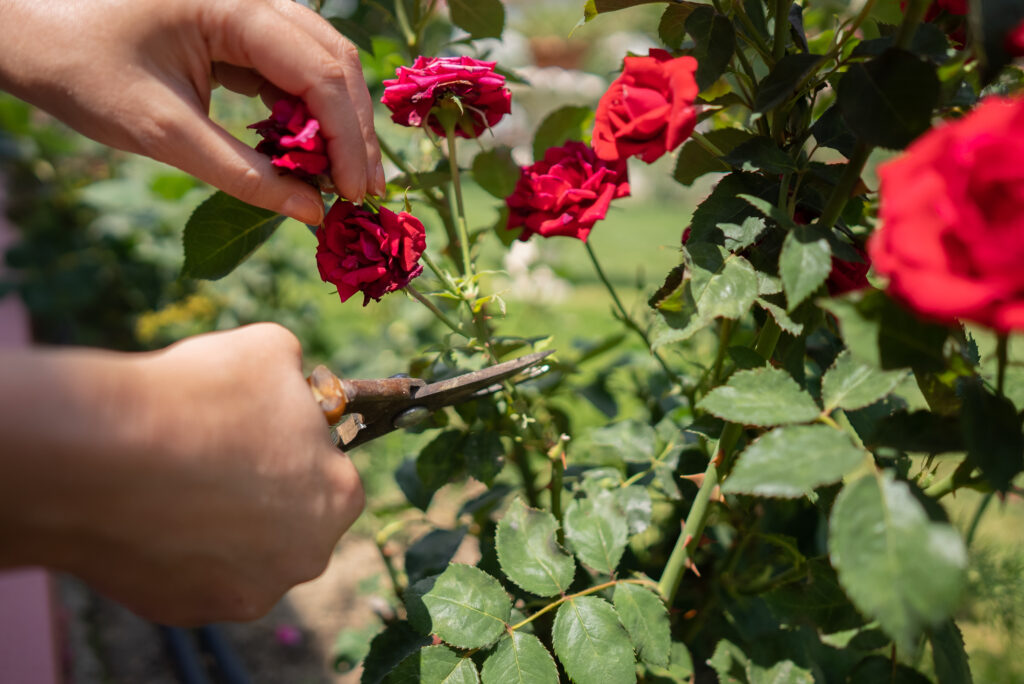
June is all about light pruning and maintenance. Focus on gentle shaping and tidying to encourage healthy growth, rather than making drastic cuts.
What to prune in June:
- Spring-flowering shrubs: Cut back forsythia, chaenomeles, and flowering currant after blooms fade. Pruning now gives them the summer to put on new wood that will carry next year's flowers.
- Wisteria: Shorten long, whippy new growth to five or six leaves to encourage future flowering.
- Early-blooming perennials: Trim back pulmonaria and hardy geraniums after their first flush for a second round of flowers later in summer.
- Evergreen hedges: Now's the time to shape laurel, box, privet, and yew. One cut in June typically holds through the season.
Use sharp secateurs or loppers for clean, accurate cuts.
Staking and training:
Tall perennials including delphiniums, dahlias, and later-flowering salvias can reach their full height quickly in June warmth. Stake them now before they topple, using canes and soft twine tied loosely to avoid damaging stems.
Climbing roses and ramblers put on a lot of growth through June. Tie in new shoots while they're still flexible, training them horizontally where possible, as horizontal growth produces more flowering laterals.
What NOT to prune in June:
Do not cut back spring bulb foliage yet. Even if it looks untidy, the leaves are still feeding the bulb for next year. Wait until the foliage has yellowed and died back naturally before removing it.
Use sharp secateurs or loppers for all pruning. Clean cuts reduce disease risk and heal faster than torn stems.
Rose Care in June
Roses are at their peak in June. Keep them looking and performing their best:
- Deadhead spent blooms: Cut back to the first full leaf below the faded flower to encourage repeat flowering on modern varieties.
- Watch for pests and disease: Treat aphids and black spot early. Check undersides of leaves regularly, as early intervention is far more effective than treating a heavy infestation.
- Feed fortnightly: Use a specific rose fertiliser or seaweed-based feed to keep plants strong through the flowering season.
Learn more from our rose planting and care guide.
Extra June Gardening Tips
More June Jobs Worth Doing
A few additional tasks worth fitting in around the main jobs this month:
- Harvest regularly: Pick lettuce, radishes, and strawberries as soon as they're ready. Regular harvesting signals the plant to keep producing.
- Ventilate greenhouses and cold frames: Open vents during warm days to prevent overheating. Close them again in the evening.
- Thin out seedlings: Reduce overcrowding to improve airflow and allow remaining plants to develop properly.
- Train climbers: Tie in clematis, sweet peas, and honeysuckle as they grow. They put on significant length in June.
- Sow succession crops: Sow salads and radishes in small batches every two to three weeks to extend the harvest window.
- Start preparing for late summer: If you plan to fill gaps left by early-season plants, now is a good time to think about what to pot on or order for August planting. Perennials planted in late summer establish better with a full growing season behind them.
- Move plants into bigger pots: If a potted plant is drying out quickly, struggling to grow, or has roots showing through the drainage holes, it may need more space. Move it into a slightly larger pot with fresh compost, water well, and keep it out of strong sun while it settles in.
Don't forget your essential gardening tools and supplies to keep jobs quick and efficient.

Make the Most of Summer Gardening with Woodie’s
June is a month of peak growth, colour, and reward. By planting now and tending to regular care, your garden will thrive through the height of summer. Whether it’s veggies on the patio, blooms in baskets, or shaded perennial borders, there’s still time to shape the season. Be sure to check out our July gardening guide for next month's jobs.
Need advice or inspiration? Visit your local Woodie’s or explore all our plants, tools and gardening essentials online.
Frequently Asked Questions – June Gardening
What is good to plant in June?
Fast-growing vegetables like beans, carrots, and courgettes, plus annuals like cosmos, zinnias, and sunflowers. You can also plant summer-flowering bulbs and perennials.
Can I still grow vegetables from seed in June?
Yes! Radish, lettuce, rocket, spinach, and turnips can all be sown directly outdoors in June.
What flowers are good to plant in June for colour?
Zinnias, cosmos, marigolds, sunflowers, and bedding plants like petunias and begonias. Add perennials like rudbeckia or salvia for long-term interest.
How should I water my garden in June?
Water deeply 2–3 times a week rather than little and often. Prioritise containers and newly planted areas.
Should I prune roses in June?
Not heavy pruning, but do deadhead regularly, check for suckers, and feed to keep blooms going.
Is June too late to plant perennials?
Not at all. Many perennials can still be planted now and will establish well with consistent watering.
What pests should I watch out for in June?
Slugs, snails, aphids, and caterpillars are all active. Use eco-friendly pest control solutions to manage them.

Brian Burke
Brian Burke is a landscape contractor and award-winning garden designer. He is the resident gardening expert with Woodie’s and a judge on RTÉ’s Super Garden. He attained his B.Sc. Hons. from Trinity College Dublin in 1994 and has over 20 years’ experience in the construction and landscaping business in Ireland, the UK and the US. Brian won Super Garden in 2015 and was awarded a silver-gilt medal for his garden, Non Forsit, at Bord Bia Bloom 2015. He has since gone on to design and build several award-winning show gardens in 2016, 2017, 2018, and 2019, winning silver and gold medals.