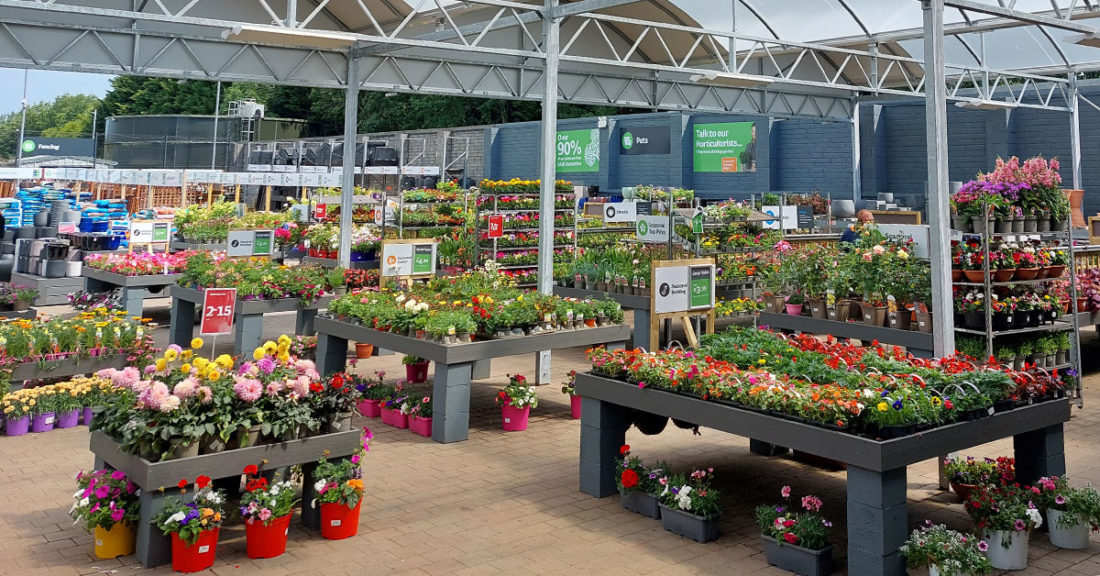
July Gardening Jobs: What to Plant, Grow, and Renovate This Month

Written by Brian Burke, Woodies' resident gardening expert, RTÉ Super Garden judge, and award-winning garden designer.
July is when the garden is at its fullest. Lawns are being used more, flowers are in full colour, containers are growing quickly and fruit and vegetables are starting to reward all the work put in earlier in the year. It’s also a month when plants can come under pressure from warm weather, dry spells, pests and fast growth.
The best July gardening jobs are all about keeping things healthy, watered, fed and tidy. From raising your mower height to potting on plants that have outgrown their containers, these simple midsummer tasks will help your garden stay looking its best.
Garden Maintenance and Cleaning in July
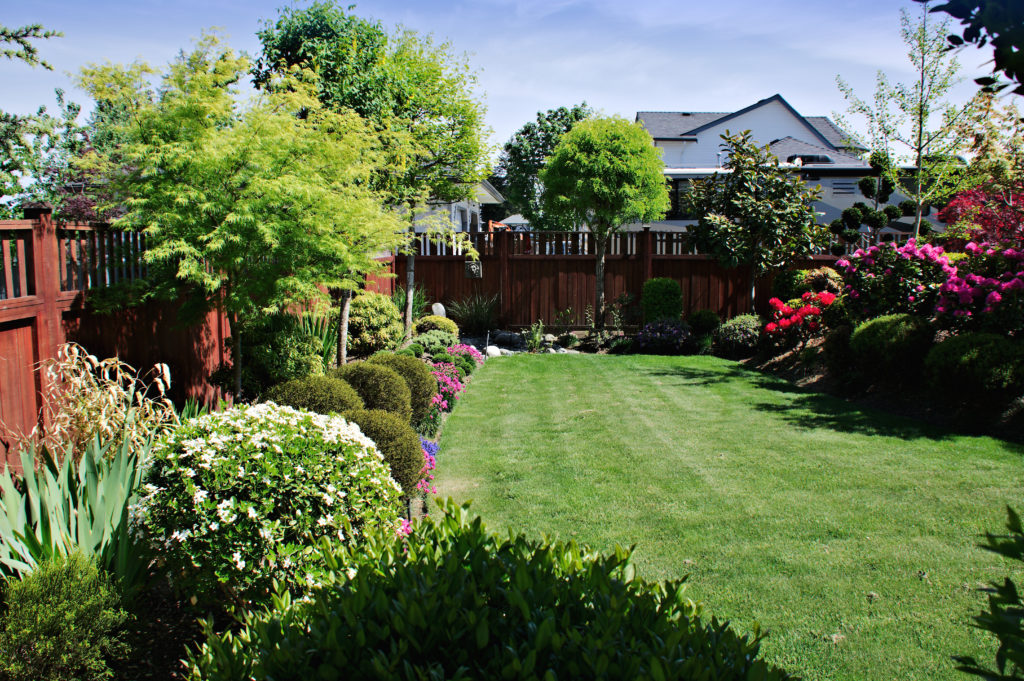
A little regular maintenance in July can make a big difference. Growth is still strong, so weeds, lawns, hedges, bedding plants and containers can quickly get out of hand if left for too long.
Here are some useful jobs to keep on top of this month:
- Water pots, hanging baskets and newly planted areas regularly.
- Deadhead faded flowers to encourage more blooms.
- Feed hungry plants such as roses, tomatoes, dahlias and bedding plants.
- Hoe weeds while they are small.
- Keep paths, patios and decking clear of fallen leaves, petals and debris.
- Check plants for signs of aphids, mildew, black spot or other summer pests and diseases.
- Tie in tall or climbing plants before they flop or snap.
- Keep bird baths and water features topped up during warm weather.
July is not always the best time for heavy garden work, especially during very warm or dry spells. Instead of major planting or lifting, focus on light, regular jobs that keep the garden healthy without putting plants under extra stress.
Essential Starter Tool Kit for July Gardening
You don’t need every gardening tool at once. A small set of reliable basics will help you manage most July jobs, from deadheading flowers to edging lawns and tidying borders.
A useful starter kit includes:
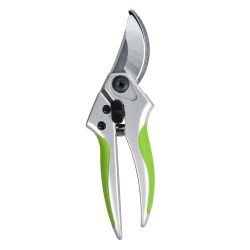
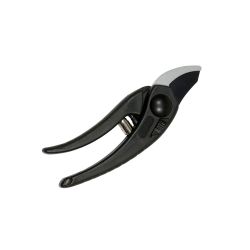
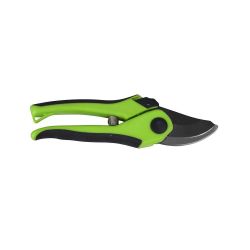
Secateurs
Secateurs are one of the most useful tools for July. Use them for deadheading roses, cutting back faded flowers, trimming soft growth and removing damaged stems. Keep them clean and sharp for healthier cuts.
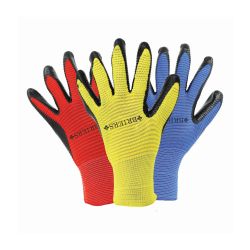
Garden gloves
A good pair of gloves protects your hands when pruning, weeding, planting and handling compost. They are especially useful when working around roses, nettles or rough stems.


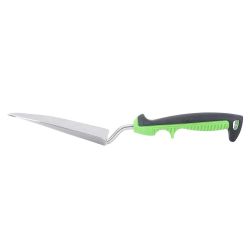
Hand trowel
A hand trowel is ideal for planting bedding plants, moving compost into pots, lifting small weeds and potting on container plants.
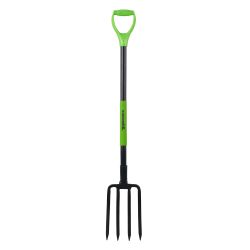
Garden fork
A fork helps loosen compacted soil, lift plants, aerate borders and mix in compost. It is useful for heavier garden jobs without disturbing soil as aggressively as a spade.

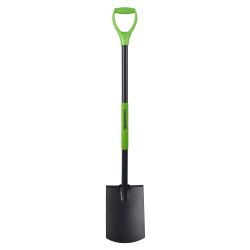
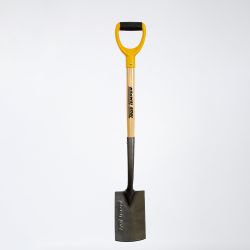
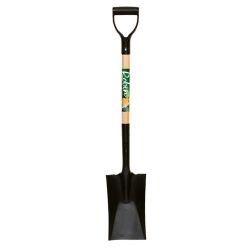
Spade
A spade is helpful for planting larger plants, reshaping borders, lifting turf and moving soil or compost.
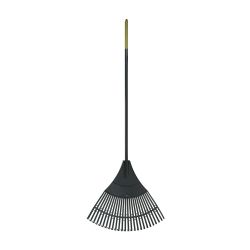
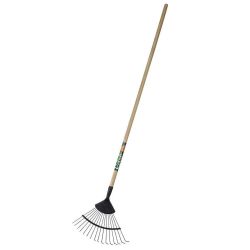
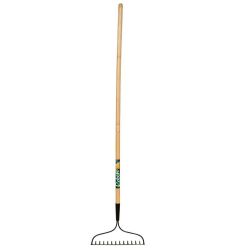
Rake
Use a rake to level soil, prepare bare lawn patches, collect light debris and tidy areas before sowing seed.
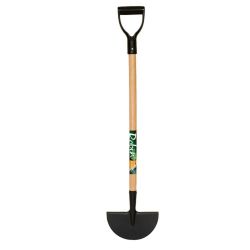
Lawn edger or edging shears
Neat lawn edges can make the whole garden look more cared for. Use an edger or edging shears to tidy the line between lawns, paths and borders.
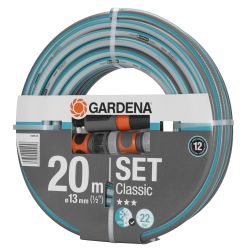
Watering can or hose
Watering is essential in July, especially for pots and baskets. A watering can is useful for targeted watering, while a hose or spray gun can make larger jobs quicker.
With these basics, most July maintenance jobs become easier, quicker and more manageable.
July Lawn Care: Keep Grass Healthy in Warm Weather
Your lawn may need a slightly different approach in July. If the weather is mild and damp, grass can grow quickly and need regular cutting. If the weather is hot and dry, it may slow down, turn pale or look a little brown. This does not always mean something is wrong , established lawns often recover once rainfall returns.
The main rule for July is to avoid cutting the grass too short. A very close cut can weaken the lawn, expose the soil and make it more vulnerable to drying out. Raise your mower height slightly and aim to remove only a small amount of growth at a time.
If the lawn is very dry, it is better to mow less often or pause mowing until conditions improve. Longer grass helps shade the soil and can cope better with dry weather.
How to avoid scalping your lawn
Scalping happens when the mower cuts too low and removes too much of the grass blade. This can leave the lawn looking yellow, patchy or bare.
To avoid scalping:
- Raise the mower blade during warm or dry weather.
- Avoid mowing when the grass is under drought stress.
- Never cut more than one third of the grass height in one go.
- Check that the mower blade is sharp and cutting cleanly.
- Mow when the grass is dry, but avoid the hottest part of the day.
If your lawn has uneven areas, take extra care. The mower may catch high spots and cut them shorter than the rest of the lawn.
Fixing Bare Patches in July
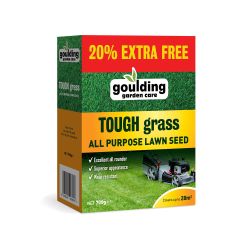
Bare patches can appear in July where the lawn has been heavily used, where garden furniture has sat for too long, or where pets and children regularly play.
You can repair small patches in July, but the key is moisture. Grass seed will only establish well if it is kept consistently damp while it germinates.
To repair a bare patch:
- Remove any dead grass, weeds or debris.
- Lightly loosen the surface with a rake or hand fork.
- Add a thin layer of lawn soil or compost.
- Scatter grass seed evenly over the patch.
- Cover lightly and firm down gently.
- Water well and keep the area moist.
- Keep people and pets off the patch while it establishes.
If the weather is very hot or dry, wait until conditions are cooler or more settled. Newly sown grass can struggle if it dries out before it has rooted.
What to Plant in July: Vegetables, Herbs, and Flowers
July is not just about maintenance. There are still plenty of things you can plant or sow, especially if you want colour later in the season or crops for autumn.
In warm weather, new plants need more attention than they would in spring or autumn. Water them well before and after planting, and keep an eye on them while they establish.
Flowers to plant or sow in July
Depending on what you want from your garden, July can be a good time to plant or sow:
- Pansies
- Violas
- Wallflowers
- Foxgloves
- Forget-me-nots
- Delphiniums
- Lupins
- Hardy annuals for later displays
- Summer bedding plants for instant colour
If planting into containers, use fresh compost and water thoroughly. For borders, prepare the soil first and avoid planting during the hottest part of the day.
Vegetables & Herbs to Sow in July
July is a useful month for quick-growing crops and follow-on sowings.
You can sow:
- Lettuce
- Rocket
- Radishes
- Spring onions
- Beetroot
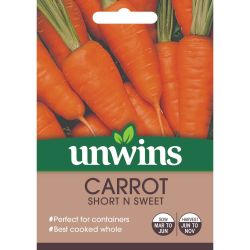
- Carrots
- Dwarf beans
- Peas
- Spinach
- Coriander
- Parsley
- Basil
Sow little and often for a steady supply rather than planting everything at once. Keep seed drills moist, especially during dry weather.
What Flowers to Plant in July
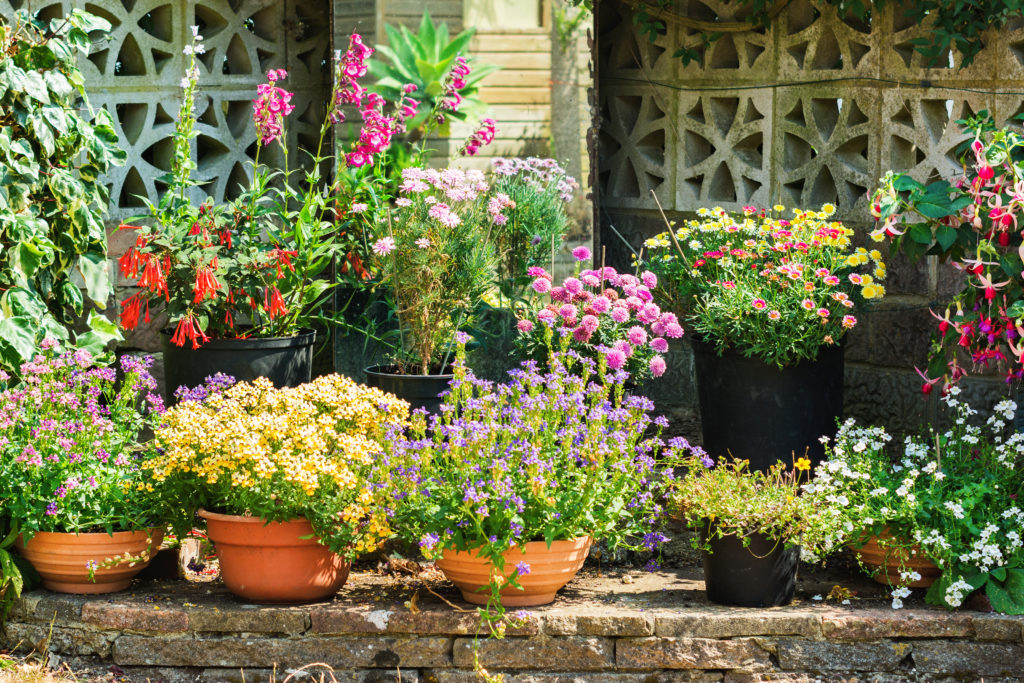
Depending on what you want from your garden, July can be a good time to plant or sow:
- Pansies
- Violas
- Wallflowers
- Foxgloves
- Forget-me-nots
- Delphiniums
- Lupins
- Hardy annuals for later displays
- Summer bedding plants for instant colour
If planting into containers, use fresh compost and water thoroughly. For borders, prepare the soil first and avoid planting during the hottest part of the day.
Feeding and Caring for Your Garden
By July, many plants have used up a lot of energy producing flowers, fruit and fresh growth. Feeding helps keep them performing through the rest of summer.
Container plants are especially dependent on regular feeding because nutrients wash out of compost each time they are watered. Bedding plants, hanging baskets, tomatoes, chillies, cucumbers, roses and dahlias are all likely to benefit from a feed in July.
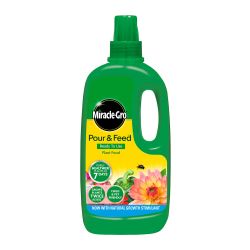
Use a plant food suited to what you are growing. A high-potash feed is useful for flowering and fruiting plants, while general-purpose plant food can support leafy growth and mixed containers.
Good plants to feed in July include:
- Roses
- Sweet peas
- Dahlias
- Bedding plants
- Hanging baskets
- Tomatoes
- Chillies
- Cucumbers
- Courgettes
- Container shrubs
- Herbs in pots
Always follow the instructions on the product packaging. Overfeeding can be just as unhelpful as underfeeding, especially during very hot or dry weather.
Pruning in July: What to Cut Back and Shape
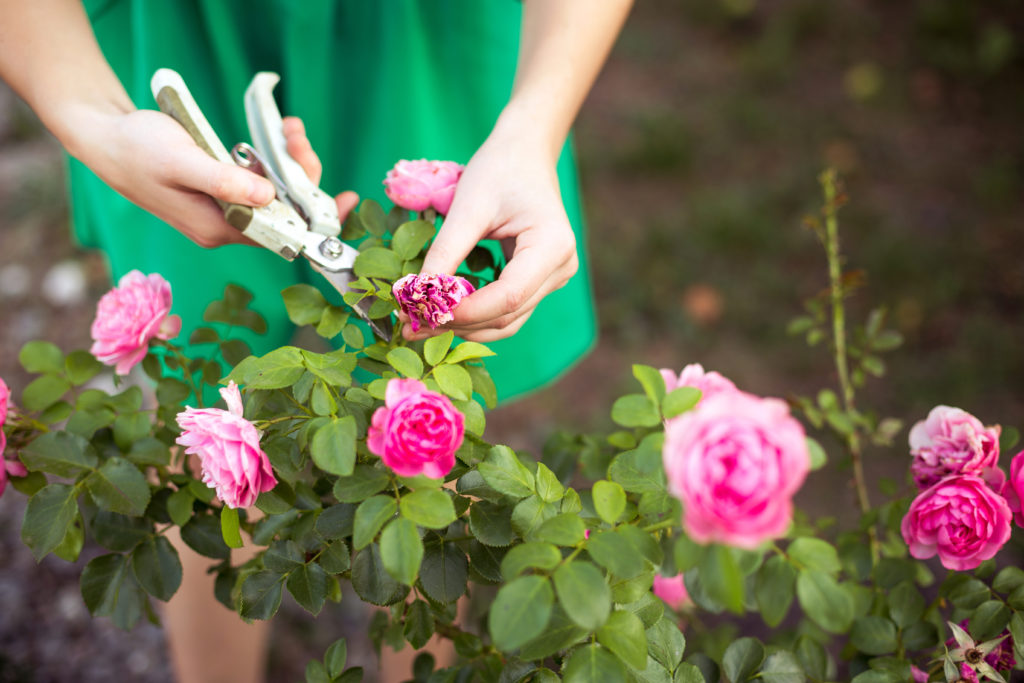
With plants in full growth, July is a key month for light pruning and deadheading. This keeps your garden looking tidy, encourages repeat flowering, and helps maintain shape. Avoid heavy pruning during very hot spells, but don’t shy away from regular trims that support plant health and structure.
- Wisteria: Prune long, whippy shoots to encourage flowering spurs.
- Shrubs: Trim summer-flowering shrubs after they've bloomed to maintain shape.
- Hedges: Lightly trim evergreen hedges to keep them neat.
- Roses: Deadhead spent blooms and remove any diseased or damaged wood.
Discover our article on planting and taking care of roses for further guidance.
Garden Renovation Projects for July
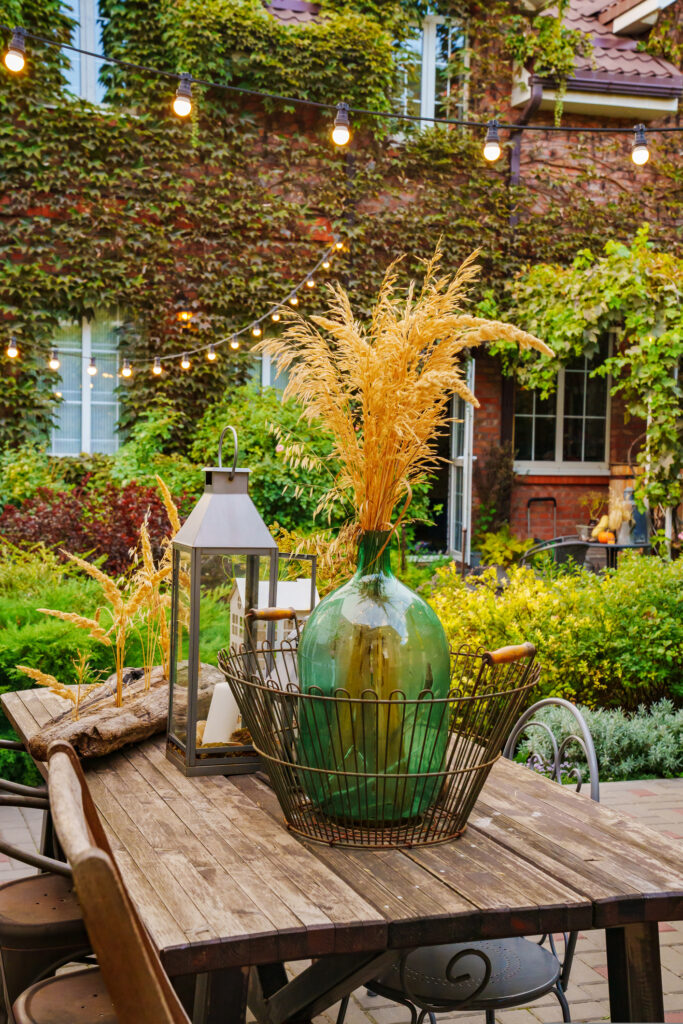
July's warm, dry weather makes it an ideal time for garden renovations. Here are some ideas for a midsummer mini project:
- Install New Features: Add decking or fencing to define spaces and add structure.
- Update Planting Areas: Refresh borders with new plants or decorative stones for a clean look.
- Add Containers: Introduce pots and planters filled with vibrant flowers to patios and entrances.
- Artificial Grass: Consider artificial grass for low-maintenance green areas.
- Paint and Woodcare: Use woodcare products to protect and enhance wooden structures.
- Create a dedicated BBQ area: For more inspiration, check our BBQ Design Ideas for different garden types and sizes.
Prepare Your Garden for Late Summer with Woodie's
July is a rewarding month in the garden, offering both the fruits of your labour and the opportunity to plan ahead. Whether you're planting, pruning, or renovating, Woodie's has everything you need to make the most of your outdoor space. July is also the perfect month to sit out in the garden and enjoy all of your hard work to date, fire up the barbecue, sit back and relax. If it’s been a while, be sure to check out our guide on how to light a charcoal bbq. Be sure to check out our August gardening guide for next month's tasks.
Visit your local store or explore our lawn and garden range online for tools, plants, and expert advice.
Frequently Asked Questions – July Gardening
Should I mow my lawn in July?
Yes, you can mow your lawn in July, but avoid cutting it too short. Raise the mower height slightly during warm or dry weather and only remove a small amount of grass at a time to help protect the lawn from drying out.
Can I repair bare patches in my lawn in July?
Yes, you can repair small bare patches in July, but grass seed needs consistent moisture to germinate. If the weather is very hot or dry, it may be better to wait until conditions are cooler and more settled.
How do I stop my lawn from scalping?
To avoid scalping your lawn, raise the mower blade, mow when the grass is dry, keep mower blades sharp, and never cut more than one third of the grass height in one go. Take extra care on uneven lawns where the mower may catch high spots.
What plants should I feed in July?
Roses, tomatoes, chillies, cucumbers, courgettes, dahlias, bedding plants, hanging baskets, sweet peas, and container plants can all benefit from feeding in July. Use a feed suited to the plant and always follow the instructions on the packaging.
What garden pests should I watch for in July?
In July, check plants regularly for aphids, mildew, black spot, slugs, snails, caterpillars and other common summer pests or diseases. Spotting problems early makes them easier to manage before they spread.
Should I deadhead flowers in July?
Yes, deadheading is one of the most useful July gardening jobs. Removing faded flowers encourages many plants to produce more blooms and keeps borders, containers and hanging baskets looking tidy.
Can I prune roses in July?
You can deadhead roses in July and remove any damaged, diseased or weak growth. Avoid heavy pruning during very hot weather, as this can put extra stress on the plant.
Should I water newly planted areas more often in July?
Yes, newly planted areas need close attention in July because roots are not yet established. Water deeply around the base of plants and keep checking the soil during dry or windy weather.
What can I sow in July for later crops?
July is a good time for follow-on sowings of quick-growing crops such as lettuce, rocket, radishes, spring onions, beetroot, carrots, dwarf beans, peas, spinach, coriander, parsley and basil.

Brian Burke
Brian Burke is a landscape contractor and award-winning garden designer. He is the resident gardening expert with Woodie’s and a judge on RTÉ’s Super Garden. He attained his B.Sc. Hons. from Trinity College Dublin in 1994 and has over 20 years’ experience in the construction and landscaping business in Ireland, the UK and the US. Brian won Super Garden in 2015 and was awarded a silver-gilt medal for his garden, Non Forsit, at Bord Bia Bloom 2015. He has since gone on to design and build several award-winning show gardens in 2016, 2017, 2018, and 2019, winning silver and gold medals.