September Gardening Jobs: What to Plant, Grow, and Tidy This Month

Written by Brian Burke, Woodie’s resident gardening expert, RTÉ Super Garden judge and award-winning garden designer.
September marks the beginning of autumn in the garden, but that doesn’t mean the growing season is over. The soil is still holding onto plenty of summer warmth, while cooler temperatures and increasing rainfall create ideal conditions for planting, lawn repair and giving beds and borders some much-needed attention after a busy summer.
It’s also an important month for looking ahead. Plant spring-flowering bulbs now and you’ll reap the rewards next year, renovate a tired lawn while conditions are favourable, harvest the last of your summer crops and start preparing more tender plants for the cooler weather to come.
If you’re unsure which rake, fork or other tool is best for the job, read our guide to essential garden hand tools and how to look after them.
Garden Maintenance and Cleaning in September
September is a month of transition, so garden maintenance is all about keeping late-summer displays looking good while gradually preparing your outdoor space for autumn. There is no need to clear everything away at once. A steady tidy-up throughout the month will keep the garden manageable and allow you to enjoy the last flushes of colour.
- Keep deadheading: Dahlias, roses, cosmos and many bedding plants can continue flowering well into September. Remove faded blooms regularly to encourage repeat-flowering plants to keep producing new buds.
- Stay on top of weeds: Weeds continue growing while the soil remains warm. Remove them before they set seed, paying particular attention to recently cleared beds and vegetable patches. A hoe is useful in open soil, while a hand fork makes it easier to remove weeds around established plants.
- Start collecting fallen leaves: Trees and shrubs will gradually begin shedding leaves. Clear them from lawns and paths little and often rather than waiting for a thick layer to build up. Leaves left on grass can block light, while wet leaves on paving can become slippery.
- Cut back plants selectively: Remove collapsed, diseased or badly damaged stems, but don’t feel you need to cut every perennial down to ground level. Leaving some healthy seed heads standing adds structure to the autumn garden and provides food and shelter for wildlife.
- Refresh beds and borders: Once weeds and tired annuals have been removed, add a layer of compost, soil improver or suitable mulch around established plants. This can help improve the soil while reducing future weed growth.
- Check stakes and supports: September can bring windy weather, so inspect ties around dahlias, climbers and other tall plants. Replace loose or damaged supports before autumn winds arrive.
- Clean paths and patios: Sweep away leaves, soil and other debris before damp conditions encourage algae and moss. A stiff garden brush may be all you need for regular maintenance, while larger areas may benefit from a pressure washer when conditions are suitable.
- Look after your gardening tools: Clean soil from spades, forks, trowels and secateurs after use and dry them before storing them away. Sharp, clean tools make planting and pruning easier and will be ready when you need them throughout autumn.
If your gardening kit could do with an autumn refresh, our Garden Hand Tools & Storage guide explains the different tools for planting, pruning and clearing, along with simple ways to keep them in good condition.
September Lawn Care: Scarifying, Aerating and Repairing Bare Patches
September is one of the most useful months for lawn renovation. After a summer of mowing, garden furniture, children playing, pets and general foot traffic, grass can be compacted, thin or patchy. The combination of warm soil and more dependable moisture gives grass seed a good opportunity to germinate and establish before winter.
Continue mowing while the grass is actively growing, but mowing frequency will naturally begin to reduce as temperatures fall. Try to mow when the lawn is reasonably dry and gradually raise the cutting height rather than cutting very short. Leaving the grass slightly longer helps it cope better with wetter autumn conditions.
Scarifying Your Lawn
If you can see a layer of dead grass, moss and other organic material sitting around the base of the lawn, scarifying can help.
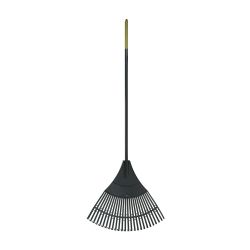
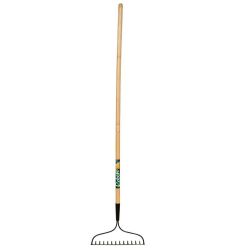
Use a spring-tined lawn rake or scarifier to pull out this layer of thatch. Work methodically across the lawn and don't worry if the grass initially looks a little rough afterwards. Removing excessive thatch allows more air, water and nutrients to reach the soil and encourages healthier grass growth.
Avoid scarifying a lawn that is extremely dry or waterlogged. Slightly moist soil and actively growing grass give the lawn a better chance of recovering.
If moss is a recurring problem, our full guide on how to remove moss from a lawn explains why moss appears in Irish gardens, when to treat it and how scarifying and aerating can help prevent it returning.

Aerating Compacted Grass
Areas around washing lines, gates, paths, football goals and garden furniture often become compacted over summer.
Aerating creates channels in the soil that improve the movement of air and water around grass roots. For a small lawn, insert a garden fork into the ground at intervals and gently move it backwards and forwards. For larger areas, a dedicated lawn aerator can make the job much quicker.
If drainage is poor or the lawn receives lots of foot traffic, aerating can make a noticeable difference to its overall condition.
If your garden regularly struggles with standing water or heavy clay, our guide on gardening with wet soil has more advice on improving drainage and choosing plants suited to wetter ground.
Repairing Bare Patches
September is also ideal for tackling worn or bare areas.
Start by raking away dead material and loosening the top layer of soil. Level the area, spread grass seed evenly and lightly rake it in so the seed has good contact with the soil. Water gently if conditions are dry and try to keep people and pets off newly seeded sections while the grass establishes.
Larger areas can be treated in the same way if you want to overseed an existing lawn and improve its overall thickness.
If you are creating an entirely new lawn from seed, take time to remove weeds, level and firm the ground before sowing. Careful preparation now will give you a much more even result later.
For a full start-to-finish method, see our complete guide to sowing grass and looking after your lawn.
Use an Autumn Lawn Feed
If your lawn needs feeding, September is the time to move away from high-nitrogen summer feeds.
Choose an autumn lawn feed formulated to encourage strong roots and help the grass cope with the colder months rather than forcing lots of lush, soft top growth.
And remember that feeding cannot compensate for other lawn problems. If the soil is heavily compacted or the lawn contains a thick layer of thatch, aerating and scarifying should form part of your autumn lawn-care routine too.
For more year-round mowing advice, take a look at our guide to mower maintenance and achieving the perfect cut for your lawn.



What to Plant in September: Vegetables, Flowers, Perennials & More
September is sometimes treated as the end of the planting season, but in many ways it is the beginning of another important one.
Warm soil and cooler air create excellent conditions for establishing many hardy plants. There are also vegetables and salad crops that can still be sown for autumn and winter harvests, as well as hardy flower seeds that can be started now for next year.
What Vegetables to Plant in September
The focus in September moves away from tender summer crops and towards plants that are happier in cooler weather.
Depending on the variety and conditions in your part of Ireland, consider sowing:
- Spinach: Sow hardy varieties in prepared soil for young autumn leaves or crops that can continue into cooler weather. Keep seedlings well spaced to encourage good airflow.
- Rocket: Quick to germinate and well suited to containers and raised beds. Cooler September temperatures can also make it easier to grow than during very hot weather.
- Winter lettuce and salad leaves: Choose varieties suitable for autumn sowing. Sow small amounts at a time rather than an entire packet so that your crop doesn't mature all at once.
- Mizuna and mustard leaves: These fast-growing leafy crops can add variety to late-season salads and work particularly well when space is limited.
- Radishes: Quick-growing varieties can still produce a crop when sown early enough in the month. Keep the soil consistently moist to encourage even root development.
- Overwintering onion sets: Suitable varieties can be planted during autumn for harvesting the following year. Choose an open, sunny position and avoid ground that becomes badly waterlogged.
- Pak choi and other hardy greens: September can be a useful sowing month for cool-season leafy vegetables. Always check the individual seed packet because recommended sowing times vary by variety.
If an earlier crop has left an empty space in your vegetable patch, remove old roots and weeds before sowing anything new. Gently fork over the soil and add compost or organic matter where appropriate. If you're new to growing food from seed, check out our guide to growing vegetables from seeds.
Raised beds can make autumn growing particularly convenient because they provide a defined area for sowing and are easy to cover if plants need extra protection later in the season. If you're considering creating one, follow our step-by-step guide to building a raised garden bed.
What Fruit to Plant and Harvest in September
September is a rewarding month in the fruit garden because many crops are finally ready to enjoy.
- Apples: Harvest fruit as it ripens rather than picking the entire tree at once. Gently lift and twist the apple; ripe fruit should usually come away without being pulled hard.
- Pears: Different varieties ripen at different times, so check fruit regularly. Handle pears carefully, particularly if you plan to store them.
- Autumn raspberries: Pick frequently while fruit is ripe and dry. Regular harvesting helps prevent overripe fruit sitting on the canes.
- Blackberries: Continue picking cultivated blackberries as they ripen. Use or preserve very ripe fruit promptly, as it does not store for long.
- Summer-fruiting raspberries: Once harvesting is finished, old canes that carried this year's crop can be removed at the base, leaving healthy new canes that will fruit next year.
- Strawberries: Remove damaged leaves and tidy plants, but avoid stripping them unnecessarily. New runners can also be dealt with depending on whether you want additional plants.
If you're storing apples or pears, choose sound, undamaged fruit and check it regularly. One bruised or rotting fruit can quickly affect others around it.
Windfalls and damaged fruit don't have to go to waste either. Use suitable fruit quickly in cooking or compost it where appropriate rather than leaving it beneath trees to deteriorate.
What Flowers and Perennials to Plant in September
September is an excellent time to add new colour to borders while also planning for next spring.
Plant Spring-Flowering Bulbs
Daffodils, crocuses and hyacinths can be planted during September for colour next year.
Choose a well-drained position and avoid areas that remain waterlogged throughout winter. As a general guide, bulbs are planted several times their own depth, but always check the planting information supplied with your chosen variety.
Plant bulbs in informal groups rather than straight lines for a more natural-looking display. A bulb planter is particularly useful if you're planting large quantities into borders or grass.
One spring favourite worth waiting a little longer for is the tulip. Buy bulbs while the selection is good, but keep them somewhere cool, dry and well ventilated until their later autumn planting time.
Plant Autumn Bedding
As summer bedding begins to fade, pansies, violas and other cool-season bedding plants can bring fresh colour to containers, window boxes and borders.
Remove exhausted summer plants and refresh tired compost before replanting. Water new bedding after planting and continue checking containers during dry spells while roots establish.
For something a little more eye-catching, combine foliage, seasonal flowers and spring bulbs in one container. Our Autumn Feature Pot guide has plenty of inspiration for creating colour on a patio, balcony, path or doorstep.
Plant Hardy Perennials
September is also an excellent time to plant many hardy perennials.
The soil remains warm enough to encourage root growth while cooler weather means plants experience less stress than they might during a hot, dry summer spell.
Before planting, water the plant in its pot, prepare a hole slightly wider than the rootball and loosen compacted soil around the planting area. Position the plant at the same depth it was growing in its container, firm the soil gently and water it in thoroughly.
Mulching around newly planted perennials can help conserve moisture and suppress weeds, but leave a small gap immediately around the stems.
If you're looking to reduce the amount of work your garden needs in future years, our Low-Maintenance Garden Ideas guide explains how perennials and mulching can form part of an easier-to-manage garden.
Divide Existing Perennials
You don't necessarily need to buy new plants to add more to your garden.
Established clumps of suitable perennials can often be divided in autumn. Lift the plant carefully with a fork, separate the clump into healthy sections and replant the strongest pieces immediately.
Dividing congested perennials can reinvigorate older plants while giving you additional plants to use elsewhere in the garden.
What Seeds to Plant in September
September isn't just about vegetable seed. Several hardy flowers can be autumn-sown too.
Hardy annuals such as calendula, cornflowers and nigella can be sown in suitable conditions for earlier growth and flowering next year.
Prepare the seedbed by removing weeds and breaking the soil down to a fine texture. Sow thinly rather than scattering too much seed in one place. Once seedlings appear, thin them where necessary so they have enough space and airflow.
You can also continue sowing hardy salad leaves, spinach and other suitable edible crops in sheltered areas.
If part of your vegetable garden is finished for the year and you don't plan to grow another crop, consider protecting and improving the soil rather than leaving it completely bare. Adding organic matter or using an appropriate mulch can help prepare the bed for next season.
Feeding, Watering and Pest Control in September
As the days shorten, plant growth naturally begins to slow. Your September care routine should change with it.
The aim is no longer to push every plant into lots of new growth. Instead, focus on helping established plants finish the season well, supporting newly planted areas and keeping an eye on the pests and diseases that thrive in damper autumn weather.
Feeding
Different plants need different treatment at this time of year.
- Late-flowering bedding and hanging baskets: If they're still growing strongly and flowering, continue deadheading and use an appropriate feed to help extend the display.
- Tomatoes and other fruiting crops: Crops that are still actively producing can continue to be fed according to the instructions for the product you're using.
- Permanent shrubs and woody plants: Avoid encouraging a late flush of soft growth with excessive high-nitrogen feeding as autumn approaches.
- Lawns: If feeding is required, switch to a product specifically designed for autumn lawn care rather than using leftover summer lawn feed.
- Beds and borders: Adding compost, well-rotted organic matter or a suitable mulch can improve the soil without forcing lots of tender new top growth.
Always follow the application rate on your chosen fertiliser. More feed isn't necessarily better and applying too much can damage plants or lawns.
Watering in September
September often brings more rain, but don't put the watering can away just yet.
Newly planted shrubs, perennials and trees need consistent moisture while their roots establish. Check the soil rather than assuming rainfall has reached the root zone, particularly beneath dense foliage.
Containers also need attention. Pots positioned beside walls, under porches or beneath roof overhangs can remain surprisingly dry even after rain.
Water deeply when required instead of giving plants a tiny amount every day. Direct water towards the soil and roots rather than soaking foliage unnecessarily.
As temperatures fall and growth slows, plants will generally use less water. Adjust your routine accordingly, particularly in the greenhouse where overwatering combined with cooler temperatures can create damp conditions.
Pest Control
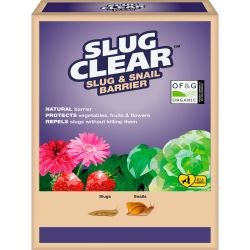
Slugs and snails can become particularly noticeable as autumn weather turns cooler and wetter.
Check young salad crops, newly planted bedding and other vulnerable plants regularly, especially after rain. Remove hiding places such as unnecessary piles of plant debris around susceptible plants and use an appropriate pest-control method where required.
Damp weather can also encourage fungal disease. Look for discoloured, spotted or mouldy leaves and remove badly affected material promptly.
Roses may continue showing signs of black spot later in the season. Collect heavily affected fallen leaves rather than allowing them to accumulate around plants.
Inside a greenhouse, good hygiene becomes increasingly important. Remove dead leaves, spent flowers and spoiled fruit, and maintain ventilation during mild weather to help reduce humid, stagnant conditions. Pest control is one of the most crucial parts of gardening jobs for September.


Pruning in September: What to Cut Back and Shape
September pruning is mainly about tidying, supporting healthy plants and removing growth that is genuinely finished.
Resist the temptation to cut every perennial and shrub back simply because autumn has arrived. Many plants still have plenty to offer, whether that's another flush of flowers, attractive seed heads or food and shelter for wildlife.
What to Prune in September
- Repeat-flowering roses: Continue deadheading faded flowers while plants are still blooming. Remove damaged or diseased material and leave harder structural pruning until the appropriate time for the type of rose you're growing.
- Summer-fruiting raspberries: Once fruiting is finished, cut the old canes that produced this year's crop down to ground level. Tie in healthy new canes that will carry next year's fruit.
- Finished perennials: Cut back collapsed or untidy growth where it is no longer adding anything to the border. Healthy architectural seed heads can be left standing for autumn and winter interest.
- Hedges: September can be a suitable time for a final tidy of established hedges. Make sure there are no active bird nests before starting and avoid taking large amounts from plants that only need a light shape.
- Damaged branches: Remove dead, broken or damaged growth where appropriate using clean, sharp tools.
For larger hedge work, our Garden Power Tools guide covers hedge trimmers and other useful garden equipment, along with advice on cleaning, storing and maintaining them.
If you're thinking about establishing a new hedge rather than simply maintaining an existing one, see our guide to planting a hedge for advice on preparing the ground, spacing plants and aftercare.
Staking and Training
Don't take stakes away from tall plants too early.
Dahlias and other late-flowering plants can become top-heavy just as autumn winds become more frequent. Check existing stakes and ties and reinforce anything that feels loose.
Use soft ties that support the plant without cutting into the stem. As stems thicken, check older ties haven't become too tight.
Climbing plants can also be tied into supports while shoots are still flexible. Securing growth now can reduce the risk of stems whipping around or breaking in windy weather.
What NOT to Prune in September
Not everything benefits from an autumn haircut.
Avoid hard pruning plants simply to make the garden look tidy. Significant pruning at the wrong time can remove next year's flowers or encourage tender new growth just as temperatures begin to fall.
Don't automatically remove every seed head either. Plants such as sunflowers and many perennials provide useful food for birds, while ornamental seed heads can give borders structure long after their flowers fade.
If you're uncertain about a shrub, identify the plant and check when it flowers before pruning. A little untidiness through winter is often much better than accidentally removing next year's display.
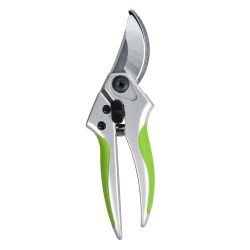
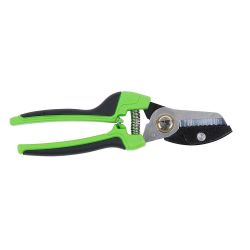
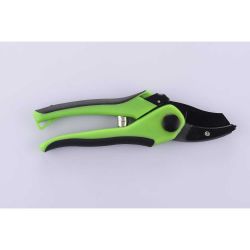
Use clean, sharp secateurs or loppers whenever you prune. Good tools create cleaner cuts and make the job much easier.
Rose Care in September
Roses can continue flowering well into September, so there is no need to give up on them just yet.
- Keep deadheading: Remove spent blooms from repeat-flowering varieties to keep the plant looking tidy and encourage remaining buds to open.
- Remove diseased leaves: Pick up foliage badly affected by black spot or other disease, including fallen leaves around the base of plants.
- Check ties on climbing roses: Summer growth can become long and vulnerable to autumn winds. Secure healthy stems to their support using soft ties.
- Avoid heavy feeding: As autumn progresses, the aim is to allow plants to mature rather than encourage lots of soft new growth.
- Leave major pruning until the correct season: A light autumn tidy is different from the main annual prune.
For more detailed advice, read our guide to planting and taking care of roses.
Extra September Gardening Tips
September is a great time to tackle the smaller jobs that can easily be forgotten during the busy summer months.
A little work now can save you time later in autumn and help your garden stay healthier through winter.
More September Jobs Worth Doing
- Harvest vegetables regularly: Keep picking runner beans, French beans, courgettes, salads and other crops while they're still producing. Leaving mature crops sitting on plants can reduce quality and, for some vegetables, slow further production.
- Lift onions and potatoes when ready: Allow harvested onions to dry before storing them and make sure potatoes intended for storage are sound and undamaged.
- Help tomatoes ripen: Remove obviously damaged foliage and give remaining fruit as much light as possible. As weather cools later in the month, healthy unripe tomatoes can be brought indoors to finish ripening.
- Look after pumpkins and squash: Keep developing fruit off very wet soil where possible and allow sunshine to reach the skin so it can ripen and harden.
- Ventilate the greenhouse: Open vents and doors on mild days to maintain airflow, but remember to close them as nights become cooler.
- Reduce greenhouse watering: Plants generally need less water as days become shorter and temperatures fall. Check individual pots before watering instead of relying on your midsummer routine.
- Start moving tender plants: Identify pelargoniums, fuchsias and other tender plants that you want to overwinter. Pot them up where necessary and be ready to move them somewhere protected before colder conditions arrive.
- Collect fallen leaves for leaf mould: Rather than sending every leaf to waste, collect healthy deciduous leaves separately and allow them to break down into useful leaf mould for the garden.
- Compost suitable garden waste: September generates plenty of plant material. Mix softer green material with drier brown material rather than adding thick layers of grass clippings or wet foliage all at once.
- Leave something for wildlife: Healthy seed heads, berries and sheltered areas can all provide valuable food and habitat. A perfectly stripped-back garden isn't always the best garden for wildlife.
- Refresh autumn containers: Remove exhausted summer bedding and replace it with seasonal colour. You can combine autumn bedding with spring bulbs to create a pot that changes through the seasons.
- Plan your next growing space: If you've been thinking about adding a dedicated vegetable or flower bed, autumn can be a good time to get the structure ready.
- Clean tools as jobs finish: Wipe down hand tools after use, remove soil and moisture and store them somewhere dry.
- Keep paths clear: Fallen leaves, moss and wet plant debris can make paths, steps and patios slippery. Sweep them regularly throughout autumn rather than waiting until the end of the season.
Make the Most of Autumn Gardening with Woodie’s
September is one of those months where a little work goes a long way. The soil is still warm, there is usually enough moisture to help new plants settle in, and there are plenty of mild days left for getting outside.
Use the month to repair summer damage to your lawn, plant spring bulbs, sow hardy crops, divide perennials, harvest fruit and vegetables and gradually prepare your garden for colder weather.
And remember, autumn isn't simply about clearing the garden away. September can still be full of colour, fresh produce and opportunities to plant something new.
For even more expert advice, projects and garden inspiration, explore the Woodie’s Lawn & Garden Community, where you'll find guides covering lawn care, planting, garden tools, raised beds, outdoor projects and seasonal gardening throughout the year.
Whether you're repairing your lawn, refreshing pots, planting for spring or simply keeping on top of the autumn clean-up, Woodie’s has the garden essentials, plants, compost, lawn care & tools to help you get the job done.
Frequently Asked Questions – September Gardening
What can I plant in September in Ireland?
September is an excellent month for planting many hardy perennials and shrubs as well as autumn bedding. You can also plant spring-flowering bulbs such as daffodils and crocuses and sow hardy salad crops including spinach, rocket and suitable winter lettuces.
What vegetables can I sow in September?
Depending on your location and the individual variety, September sowings can include spinach, rocket, mizuna, mustard leaves, winter lettuce, radishes and other hardy salad crops. Overwintering onion sets can also be planted during autumn.
Always check the recommended sowing period on the seed packet, as varieties can differ.
Is September a good time to sow grass seed?
Yes. Warm soil combined with increasing autumn moisture makes September one of the best periods for repairing bare lawn patches or sowing a new lawn from seed.
Prepare the ground carefully, keep newly seeded areas moist when conditions are dry and avoid heavy foot traffic while the young grass establishes.
Should I scarify my lawn in September?
September is a useful time to scarify a lawn if there is a noticeable build-up of thatch or moss.
Scarify while the grass is actively growing and the soil is neither extremely dry nor waterlogged. Follow up with aeration, overseeding or an appropriate autumn lawn feed if your lawn needs further renovation.
What bulbs should I plant in September?
Daffodils, crocuses and hyacinths are among the main spring-flowering bulbs to plant during September. Hardy bulbs such as alliums can also be planted during the autumn planting season.
Tulips are an exception. Although you can buy them in September, they are generally better planted later in autumn.
What should I do with fallen leaves in September?
Clear leaves regularly from lawns, paths and patios rather than allowing a thick layer to accumulate.
Healthy deciduous leaves can be collected to make leaf mould, while suitable leaves can also be added to compost in combination with other garden material.

Brian Burke
Brian Burke is a landscape contractor and award-winning garden designer. He is the resident gardening expert with Woodie’s and a judge on RTÉ’s Super Garden. He attained his B.Sc. Hons. from Trinity College Dublin in 1994 and has over 20 years’ experience in the construction and landscaping business in Ireland, the UK and the US. Brian won Super Garden in 2015 and was awarded a silver-gilt medal for his garden, Non Forsit, at Bord Bia Bloom 2015. He has since gone on to design and build several award-winning show gardens in 2016, 2017, 2018, and 2019, winning silver and gold medals.