October Gardening Jobs: What to Plant, Grow, and Tidy This Month

Written by Brian Burke, Woodie’s resident gardening expert, RTÉ Super Garden judge and award-winning garden designer.
October is a month of change in the garden. Days are getting noticeably shorter, temperatures are beginning to fall and wetter, windier weather can become more frequent. But while summer may be behind us, there is still plenty to plant, grow and look after.
In fact, October is one of the most useful months for getting ahead. The soil can still hold enough warmth for new plants to establish, spring-flowering bulbs can be planted for colour next year, lawns can receive their final autumn attention, and vegetable beds can be prepared for winter crops.
The key is to work with the weather rather than against it. Take advantage of mild, dry days to clear leaves, plant bulbs and tidy beds, but avoid working lawns or heavy soil when conditions are waterlogged.
From what to plant in October in Ireland to lawn care, pruning, frost protection and preparing your garden for winter, here are the most important October gardening jobs to tackle this month.
Garden Maintenance and Cleaning in October
October brings plenty of fallen leaves, dying foliage and general garden debris, but that doesn’t mean every bed and border needs to be stripped bare.
A more selective tidy-up will keep the garden looking good while protecting plants and leaving useful food and shelter for wildlife.
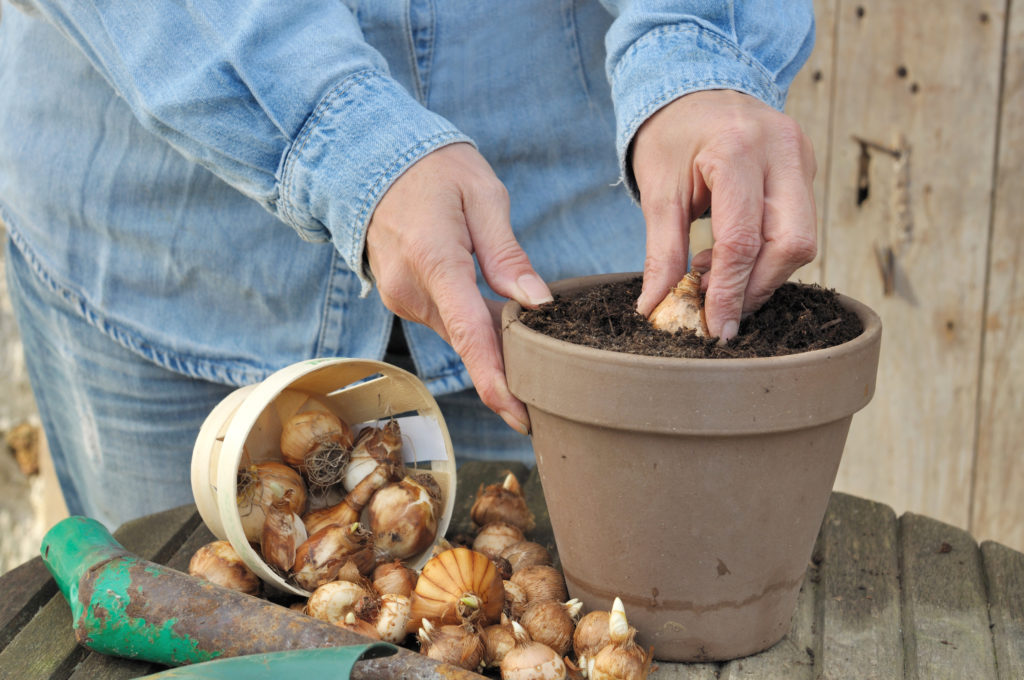
- Plant Spring-Flowering Bulbs: Continue planting winter and spring-flowering bulbs such as daffodils, tulips and crocuses in borders or patio containers for colour in the months ahead.
- Add Autumn and Spring Bedding: Plant wallflowers, sweet williams, violas, cyclamen and other seasonal bedding plants in borders or patio containers.
- Plant Shrubs and Perennials: Late autumn is a great time to plant shrubs and perennials, giving them time to settle in and establish before the new growing season.
- Reduce Lawn Mowing: Mow less frequently as grass growth slows, raising the cutting height slightly and avoiding mowing when the lawn is very wet or frosty.
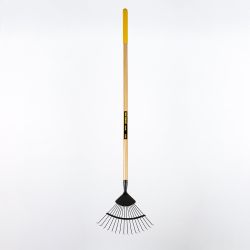
- Clear Fallen Leaves: Remove piles of leaves from the lawn to prevent the grass underneath from turning yellow, using a garden rake or leaf blower to make regular autumn clean-ups easier.


Bring Some Colour to Your Garden This Autumn
Summer bedding may be coming to an end, but October is a brilliant month to give pots, borders and entrances a fresh seasonal look.
Rather than relying on flowers alone, combine autumn colour with interesting foliage, height and texture. Heathers, cyclamen, ornamental grasses and ferns work particularly well together and can help create an attractive display even as other plants begin to die back.
Heathers
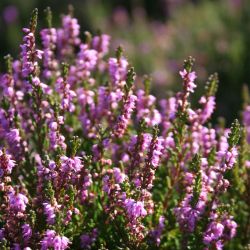
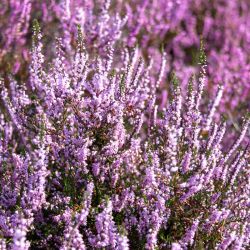
Heathers are a great choice for autumn and winter displays because they combine evergreen foliage with colourful flowers at a time when many other plants have finished blooming.
Their compact habit makes them particularly useful in patio pots, window boxes and at the front of borders.
Plant a few together for a stronger block of colour or combine them with foliage plants for extra contrast.
Depending on the variety, you can find heathers flowering in shades of pink, purple and white, making them an easy way to brighten up your garden through the cooler months.

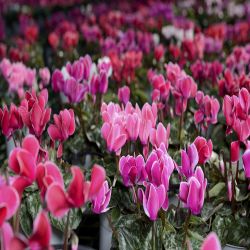
Cyclamen
Cyclamen are one of the standout plants for autumn containers.
Their distinctive flowers can provide rich pink, red and white colour, while their patterned foliage adds interest even when the flowers aren't the main focus.
Use cyclamen in pots near your front door, on a patio or as part of a mixed autumn planter.
They pair particularly well with heathers and evergreen foliage for an easy seasonal display.
When growing cyclamen outside, choose varieties suited to outdoor autumn conditions and position them according to their individual care requirements.

Irish-Grown Ornamental Grasses
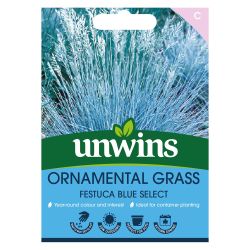
Ornamental grasses bring something different to the autumn garden.
As summer flowers disappear, grasses can provide height, movement and texture, helping borders and containers retain structure throughout the season.
Their foliage also looks particularly effective when it moves in the autumn breeze.
Try combining grasses with lower-growing heathers and cyclamen to create different heights within the same display.
Irish-grown grasses are an especially useful choice for anyone looking to create a more natural, textured autumn garden.
Ferns
Ferns provide lush green foliage that contrasts beautifully with brightly coloured autumn plants.
Their different leaf shapes and textures make them ideal for adding structure to mixed containers and shaded areas of the garden.
Use ferns alongside cyclamen and heathers to create a display with a combination of flowers, evergreen colour and interesting foliage.
Just make sure you choose a fern suited to the light and growing conditions in the position where you intend to plant it.
Create an Autumn Container Display
For a simple seasonal display, combine an ornamental grass for height with ferns, heathers and cyclamen for colour and texture.
You can also plant spring-flowering bulbs beneath your autumn plants, giving you immediate colour now followed by another display when the bulbs emerge next year.
What to Plant in October in Ireland
October is still a busy planting month.
Although temperatures are falling, the soil can retain warmth from summer, helping many hardy plants establish their roots before winter.
Along with autumn favourites such as heathers, cyclamen, grasses and ferns, this is a good time to plant spring-flowering bulbs, hardy shrubs and many perennials.
Plant Spring-Flowering Bulbs
Planting bulbs is one of the best ways to prepare now for colour next spring.
Popular autumn-planted bulbs include:
- Daffodils
- Crocuses
- Hyacinths
- Alliums
- Tulips
- Snowdrops
Bulbs can be planted in borders, beneath suitable shrubs or in patio containers.
Choose a position with good drainage and follow the planting instructions supplied with your particular variety.
As a general guide, many bulbs are planted at around two to three times their own depth.
For a more natural appearance in borders, plant bulbs in informal groups rather than perfectly straight rows.
Layer Bulbs in Containers
You can also add spring bulbs underneath autumn bedding.
Plant larger or later-flowering bulbs deeper in the container and smaller, earlier-flowering bulbs above them, leaving enough room for each layer to grow.
Finish with autumn plants such as heathers, cyclamen or violas for colour straight away.
This gives you a container that can change naturally from an autumn display into a spring one.
Plant Autumn and Spring Bedding
October is a great time to replace tired summer bedding with plants better suited to the cooler months.
Good choices include:
- Wallflowers
- Sweet williams
- Violas
- Cyclamen
- Pansies
- Primroses
Before planting, remove old summer bedding and refresh tired compost where necessary.
Combining flowering plants with evergreen foliage or ornamental grasses will give the display more structure and interest.
Plant Shrubs and Perennials
Late autumn can also be a great time to establish hardy shrubs and perennials.
Cooler conditions mean plants are under less stress than during hot summer weather, while the soil can remain warm enough for roots to begin settling in.
Choose plants that suit the light, soil and drainage conditions in your garden.
Water container-grown plants before planting, dig a hole wider than the rootball and plant at roughly the same depth the plant was growing in its original pot.
Water thoroughly once planted and continue checking new plants during dry periods.
October Lawn Care
Lawn growth normally begins to slow during October, so you can gradually reduce how often you mow.
- Raise the cutting height slightly compared with summer and avoid mowing when the grass is waterlogged or frosty.
- Fallen leaves should be cleared regularly too. Thick layers of wet leaves block light from reaching the grass and can cause the lawn underneath to turn yellow.
- Use a garden rake or leaf blower to make the job easier when leaf fall becomes particularly heavy.
- If moss or thatch has built up, you may still be able to scarify the lawn while conditions are suitable.
- Compacted areas can also be aerated to help air and water reach the roots.
- Avoid scarifying or aerating saturated ground, as working an extremely wet lawn can cause more harm than good.
What Vegetables to Plant in October
October isn't only about ornamental plants.
There are still several crops you can plant or sow for the months ahead.
- Garlic: Separate bulbs into cloves and plant them with the pointed end facing upwards in well-drained soil.
- Overwintering Onions: Suitable onion sets can be planted in an open, well-drained position for a crop next year.
- Spring Cabbages: Plants raised earlier in the season can be moved into their final positions and protected from pigeons where necessary.
- Winter Salads: Hardy salad leaves can continue growing in a greenhouse or cold frame, although growth will slow as temperatures and daylight levels fall.
October is also a key harvesting month for crops including apples, pears, pumpkins, squash, potatoes, carrots, beetroot and leeks.
Harvest Autumn Fruit & Vegetables
October is also an important harvesting month.
Depending on what you're growing, you may still be picking:
- Apples
- Pears
- Pumpkins
- Squash
- Potatoes
- Carrots
- Beetroot
- Leeks
- Chard
- Remaining tomatoes
Harvest pumpkins and squash before severe frost and only store produce that is healthy and undamaged.
Check stored fruit and vegetables regularly and remove anything beginning to deteriorate.


Pruning and Cutting Back in October
While October is a good month for tidying the garden, there is no need to cut every perennial back.
Remove dead, damaged, diseased or collapsed growth, but consider leaving healthy stems and seed heads in place.
They can provide structure through winter while also offering food and shelter for garden wildlife.
Established climbing roses can also be pruned after flowering where appropriate, beginning with any dead, damaged or diseased stems.
![Einhell Einhell PXC 18V Cordless Pruning Shears, Body Only]() Einhell Einhell PXC 18V Cordless Pruning Shears, Body OnlyAvailable Online Only€94.95
Einhell Einhell PXC 18V Cordless Pruning Shears, Body OnlyAvailable Online Only€94.95- Delivery
- Click & Collect
![AMES Compact Ratchet Anvil Lopper]()
![AMES Compound Bypass Lopper]()


Protect Plants and Prepare for Winter
As nights become colder, move vulnerable container plants to a greenhouse, porch or another sheltered position where possible.
Garden fleece can offer temporary protection to tender plants that need to remain outside, while grouping pots together in a sheltered area can also help protect them from harsh weather.
Clear weeds and diseased plant material from beds and add compost, well-rotted organic matter or mulch where appropriate.
October is also a useful time to:
- Make leaf mould from healthy fallen leaves.
- Clean out your greenhouse and remove finished crops.
- Clean and store garden tools.
- Check stakes and plant supports before winter winds.
- Make sure outdoor containers can drain freely.
Help Wildlife Through Autumn
A good autumn garden can provide colour for you and useful habitat for wildlife at the same time.
Try to:
- Leave selected healthy seed heads standing.
- Allow some fallen leaves to remain under hedges.
- Retain berries on suitable shrubs.
- Avoid disturbing established log piles.
- Provide clean water for birds.
- Keep bird feeders clean.
- Leave some hollow stems for overwintering insects.
Keeping paths and lawns tidy while leaving quieter areas a little more natural gives you the best of both worlds.
Make the Most of Your Garden This October
October is not the end of colour in the garden.
With the right planting, pots and borders can continue looking vibrant throughout autumn.
Heathers provide long-lasting seasonal colour, cyclamen bring bright flowers and attractive foliage, ornamental grasses introduce height and movement, while ferns provide lush greenery and structure.
Add spring-flowering bulbs beneath your autumn planting and you'll also be preparing your garden for another burst of colour when winter comes to an end.
Alongside planting, keep on top of fallen leaves, reduce your lawn mowing as growth slows and protect tender plants before colder weather arrives.
A few simple October gardening jobs now can keep your outdoor space looking great through autumn while giving your garden a head start for the new season.
Looking for more inspiration? Browse our range of gardening tips, tricks, and inspirational blogs.
Frequently Asked Questions About October Gardening
What are the main gardening jobs to do in October?
Important October gardening jobs include refreshing pots and borders with seasonal plants, planting spring-flowering bulbs, planting hardy shrubs and perennials, reducing lawn mowing, clearing fallen leaves and protecting tender plants from colder weather.
What plants are good for autumn colour?
Heathers and cyclamen are excellent choices for adding autumn flowers, while ornamental grasses and ferns provide texture, movement and foliage.
Combining all four can create an attractive mixed autumn display in containers or borders.
What can I plant in pots in October?
October containers can include cyclamen, heathers, violas, pansies, ornamental grasses and suitable ferns.
You can also plant spring bulbs underneath seasonal plants to extend the display into next year.
What can I plant in October in Ireland?
October is a good time to plant many hardy shrubs and perennials, seasonal bedding plants and spring-flowering bulbs.
Garlic and suitable overwintering onions can also be planted in the vegetable garden.
What bulbs can I plant in October?
Popular bulbs for autumn planting include daffodils, crocuses, hyacinths, alliums, tulips and snowdrops.
Choose a well-drained position and follow the planting guidance supplied with your bulbs.
Is October a good time to plant shrubs and perennials?
Yes. Late autumn can be an excellent time to establish many hardy shrubs and perennials while the soil still holds some warmth.
Choose plants suited to your garden and continue watering newly planted specimens when necessary.
Can I still mow my lawn in October?
Yes, while grass is still growing and conditions are suitable.
Reduce mowing frequency as growth slows, raise the cutting height slightly and avoid mowing very wet or frosty grass.
Should I remove leaves from my lawn?
Yes. Heavy layers of fallen leaves can block light and cause the grass underneath to become yellow and damp.
Clear them regularly with a garden rake or leaf blower.

Brian Burke
Brian Burke is a landscape contractor and award-winning garden designer. He is the resident gardening expert with Woodie’s and a judge on RTÉ’s Super Garden. He attained his B.Sc. Hons. from Trinity College Dublin in 1994 and has over 20 years’ experience in the construction and landscaping business in Ireland, the UK and the US. Brian won Super Garden in 2015 and was awarded a silver-gilt medal for his garden, Non Forsit, at Bord Bia Bloom 2015. He has since gone on to design and build several award-winning show gardens in 2016, 2017, 2018, and 2019, winning silver and gold medals.

- Lawn & Garden
Winter Gardening Jobs: What to Plant, Grow and Tidy in the Cold Months

- Lawn & Garden
The Helpful Hort: Planting an Autumn Feature Pot
- Lawn & Garden
The Helpful Hort: Dahlias

- Lawn & Garden,
- Outdoor Living
July Gardening Jobs: What to Plant, Grow, and Renovate This Month

- Lawn & Garden